
French agricultural markets : AgTech opportunities
French agricultural markets sit at the crossroads of tradition and innovation, making them one of the most dynamic environments for AgTech development in Europe.
Today, French farmers must balance productivity, sustainability, and profitability while responding to climate change, regulatory pressure, and shifting consumer expectations. The need to optimize agricultural production has never been greater, especially as local farming regains strategic importance for food sovereignty and short supply chains. This creates fertile ground for AgTech solutions that can support traceability, resource efficiency, and smarter farm management.
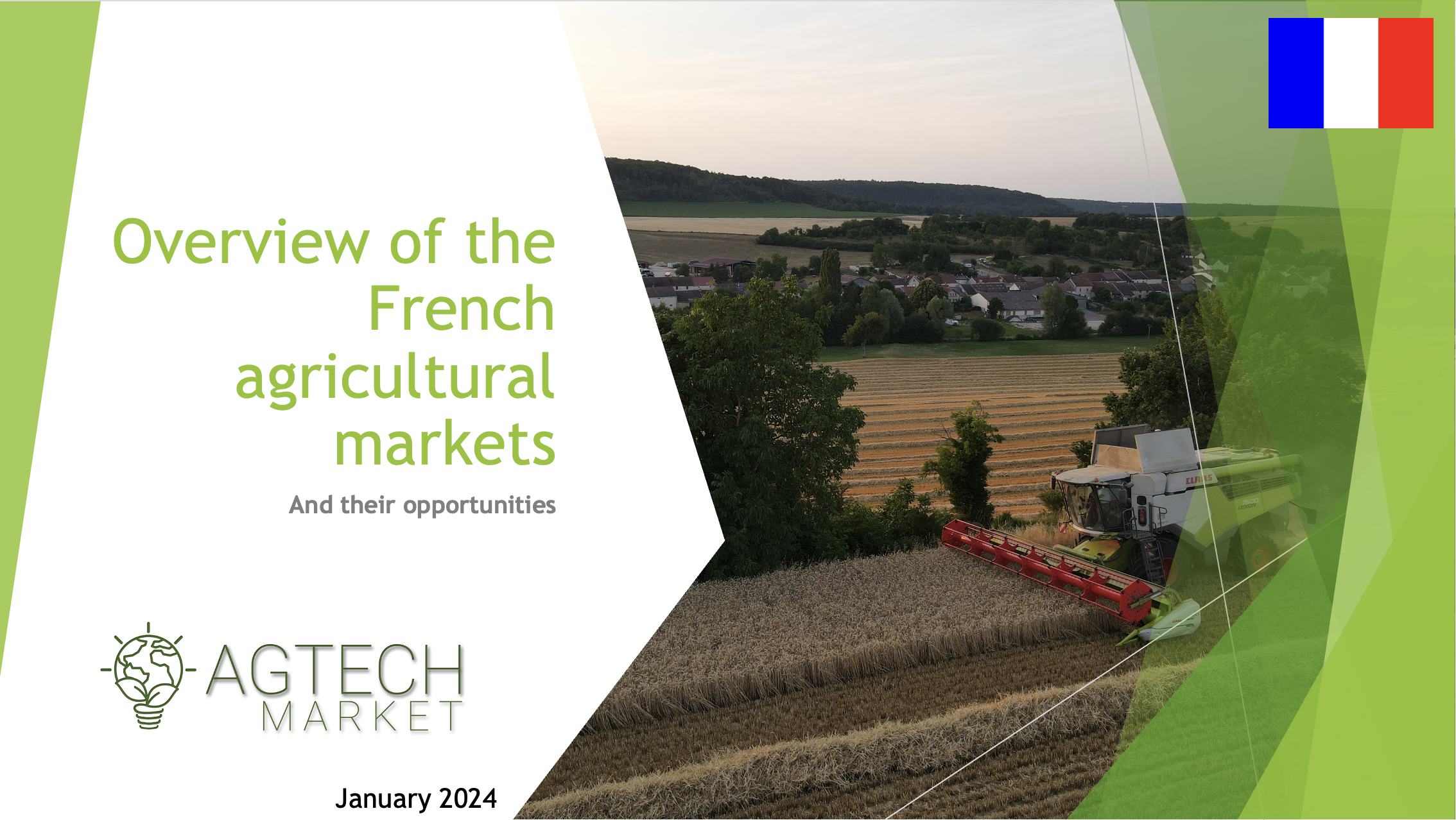
A year ago, I highlighted the opportunities in the European market. Now it's time to tackle, in six keys points, a market that wants to regain its competitive edge through innovation and sustainability : the French agricultural market.
Overview of the French agricultural markets
Understanding the specificities of agriculture in France, its diverse regions, crops, and farm sizes is essential for startups, investors, and innovators looking to enter or scale within this market. By decoding trends, constraints, and emerging technologies, this report explores where real opportunities lie and how innovation can sustainably transform French agricultural markets.
↓ Download the full French market report here for FREE ↓
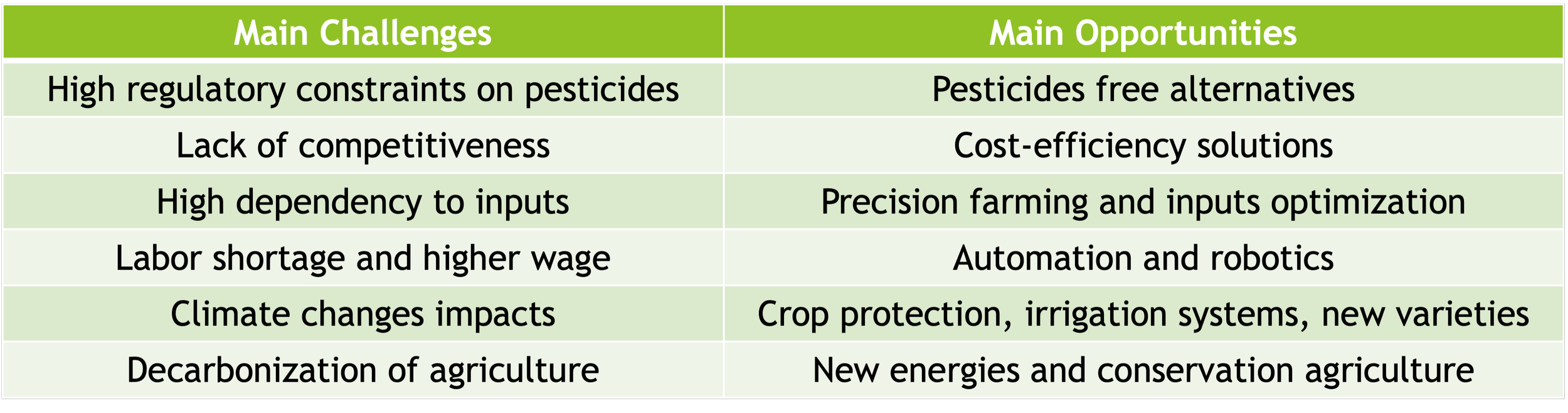
The French agricultural markets : challenges & opportunities
French agricultural market : challenges and opportunities
The French agricultural sector is facing major challenges, including strict regulatory constraints on pesticides, rising production costs, labor shortages, and increasing climate-related risks. These pressures are reshaping the market and forcing farmers to rethink traditional models to remain competitive and resilient. At the same time, they are driving strong opportunities in pesticide-free alternatives, precision farming, automation, and sustainable practices, positioning innovation and new energies as key levers for future growth.
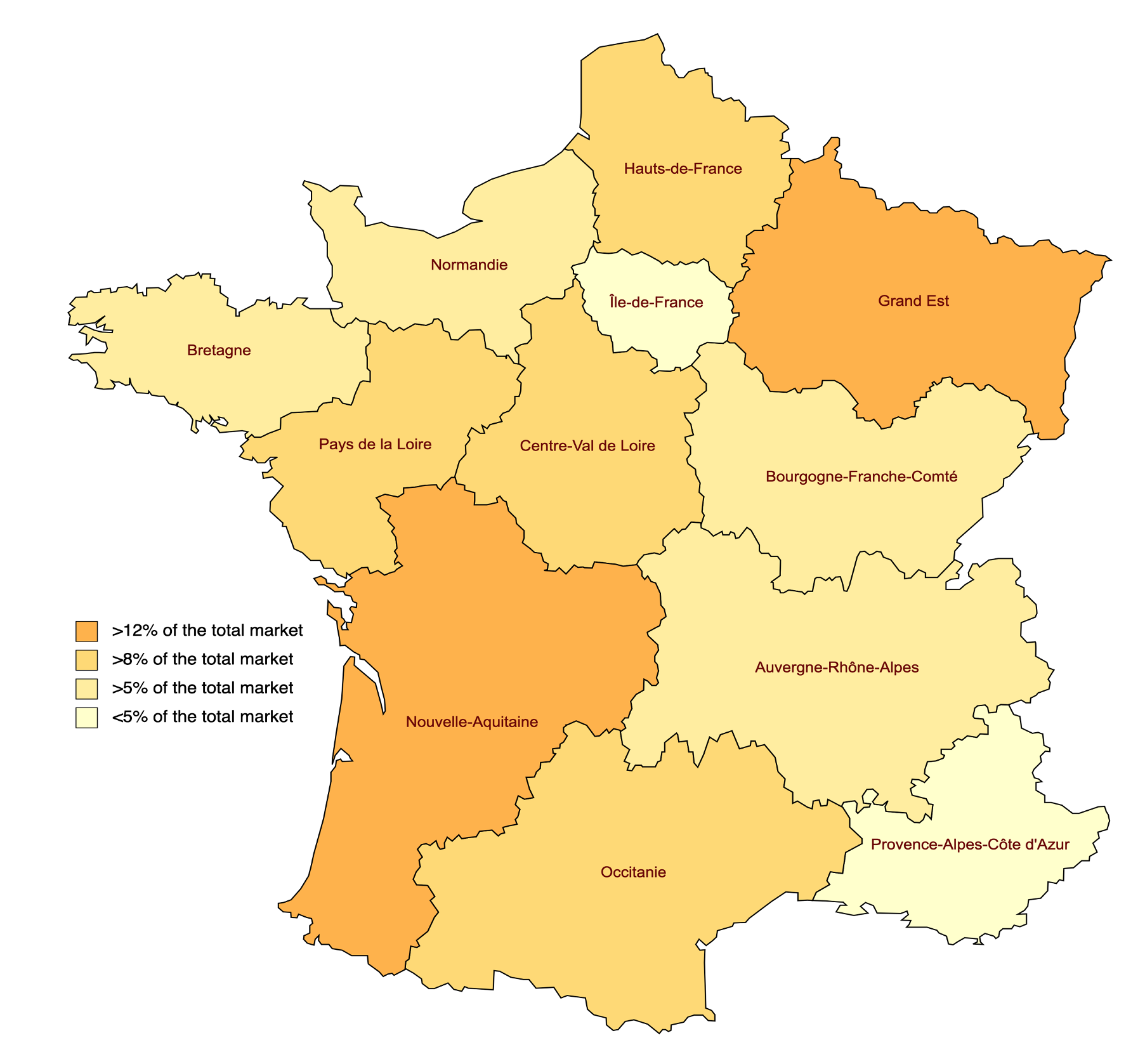
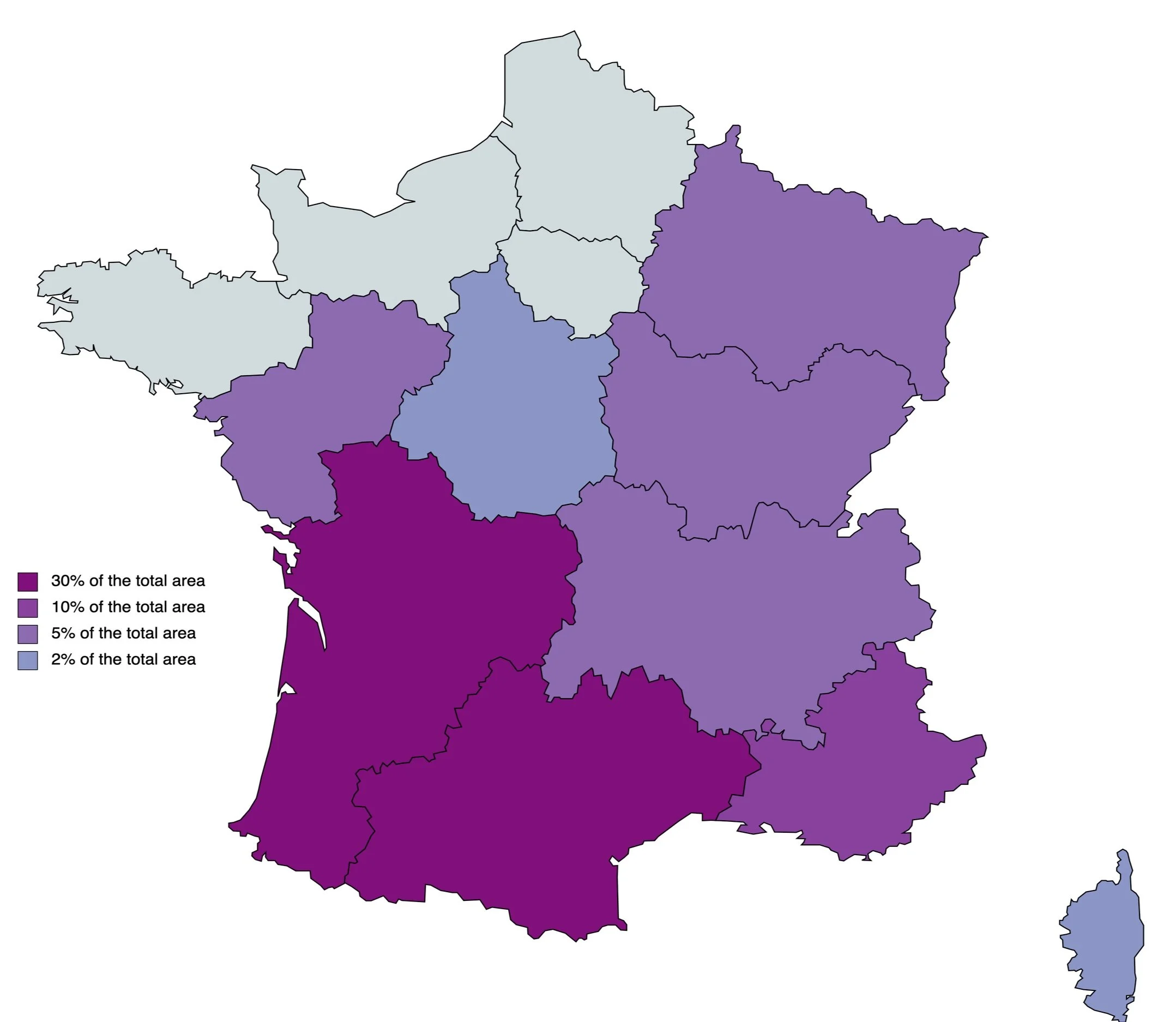
French agricultural market : Europe's largest market by area
要对市场有一个全面的了解,没有什么比几个数字更好的了:
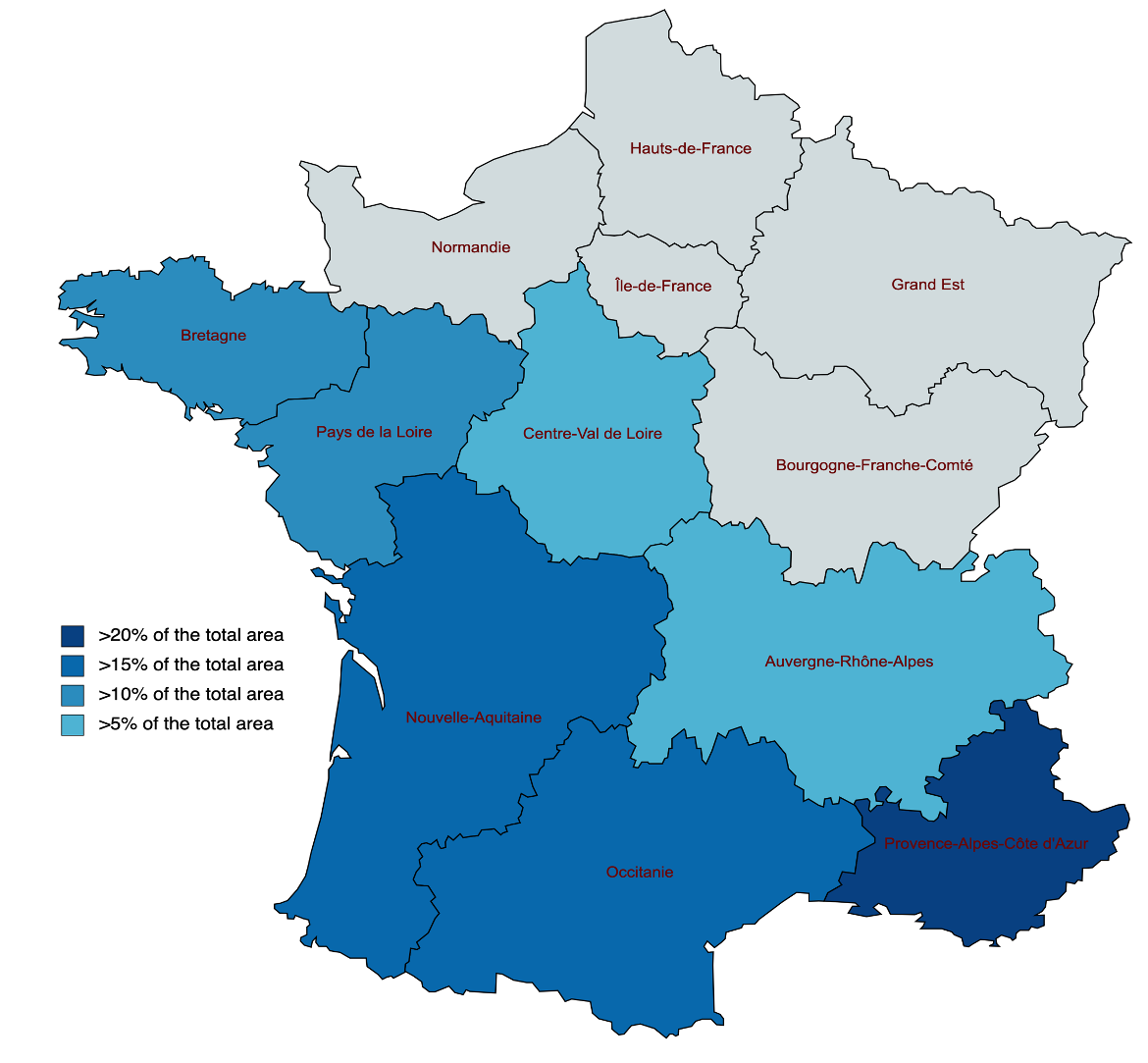
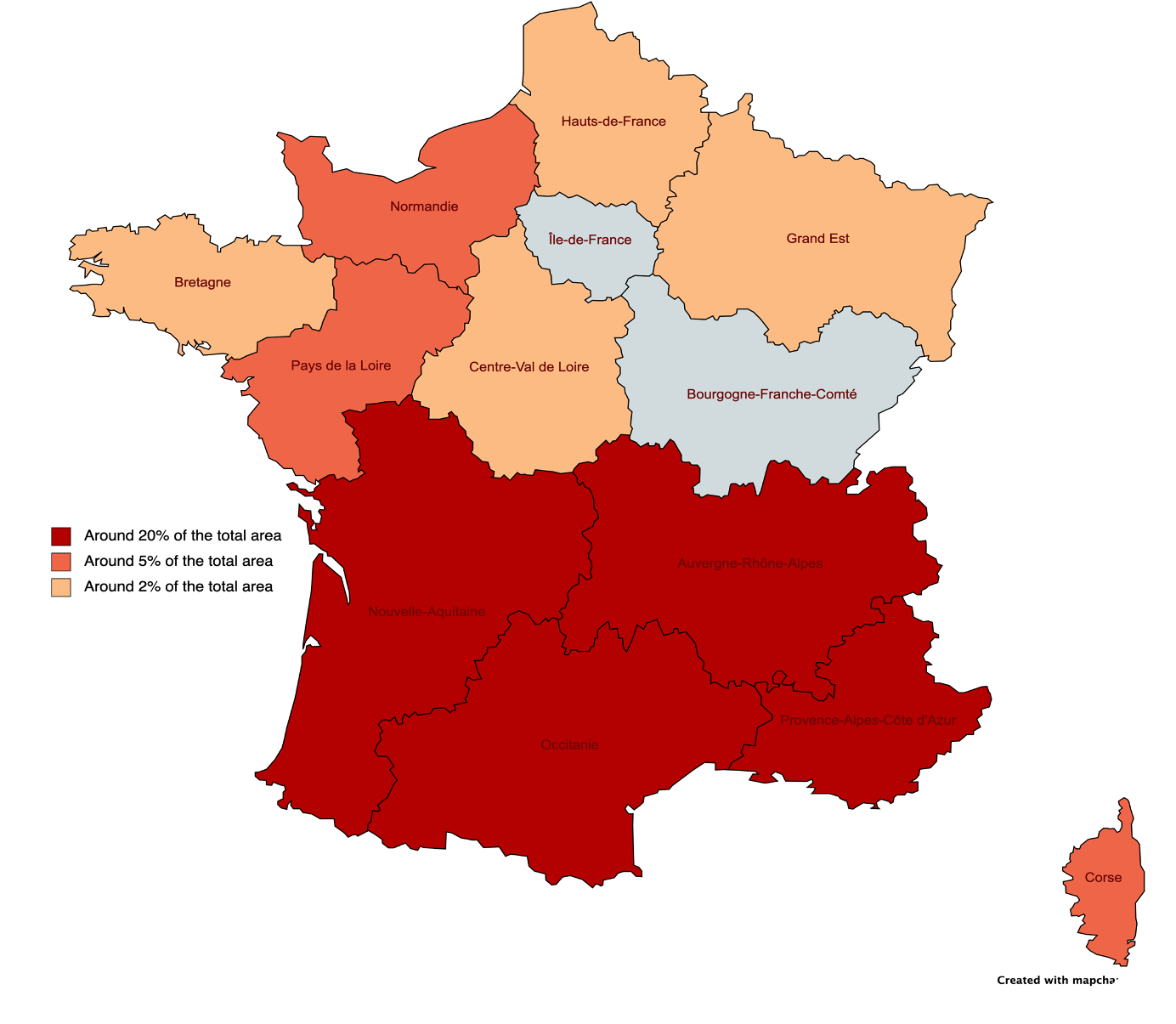
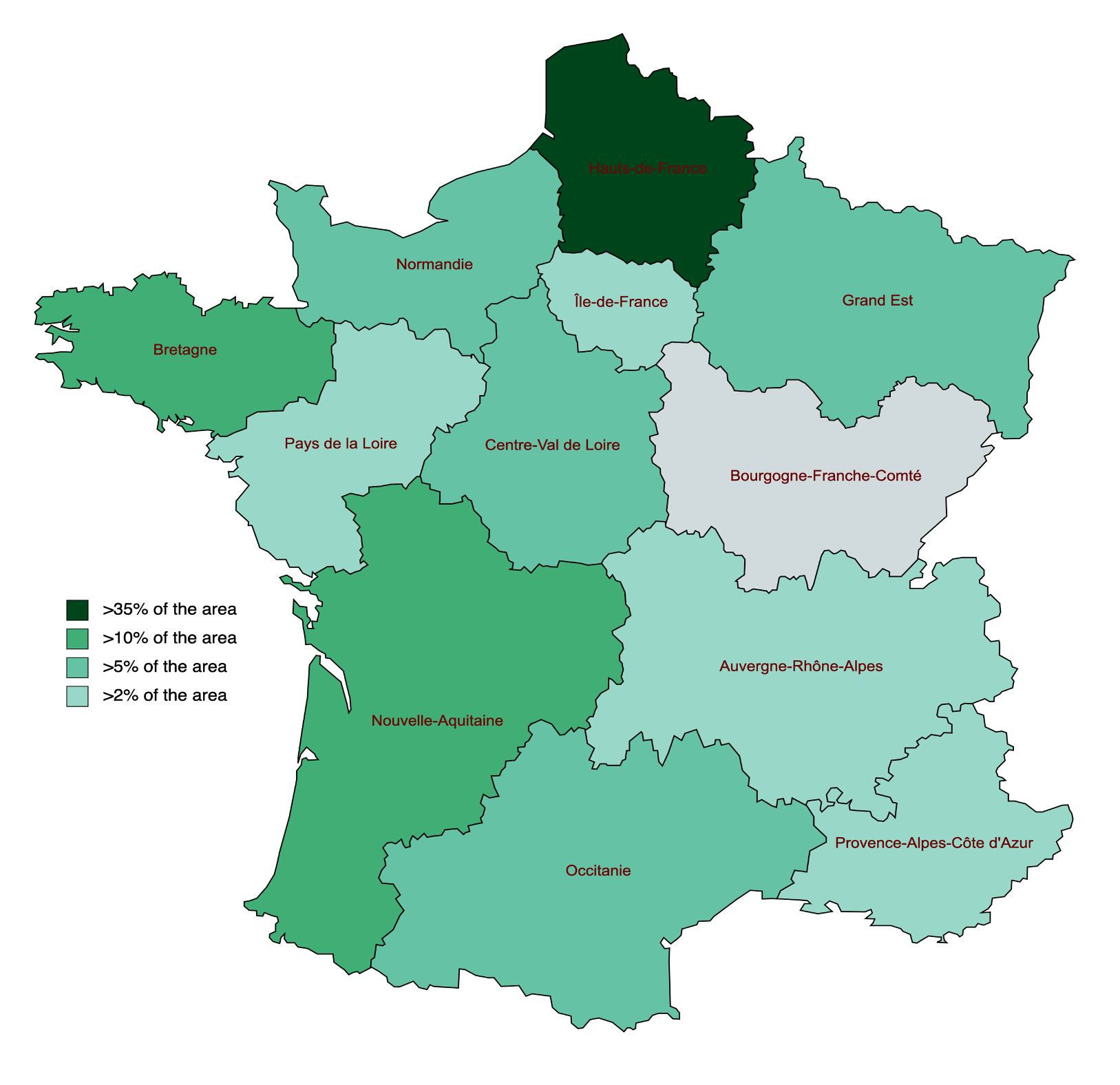
France is the leader in agricultural equipment sales in Europe
市场整体相对稳定
In 2024, the agricultural equipment market will be worth 8 billion euros, representing 20% of the European market with the largest share of sales generated by the 39,000 tractors sold.
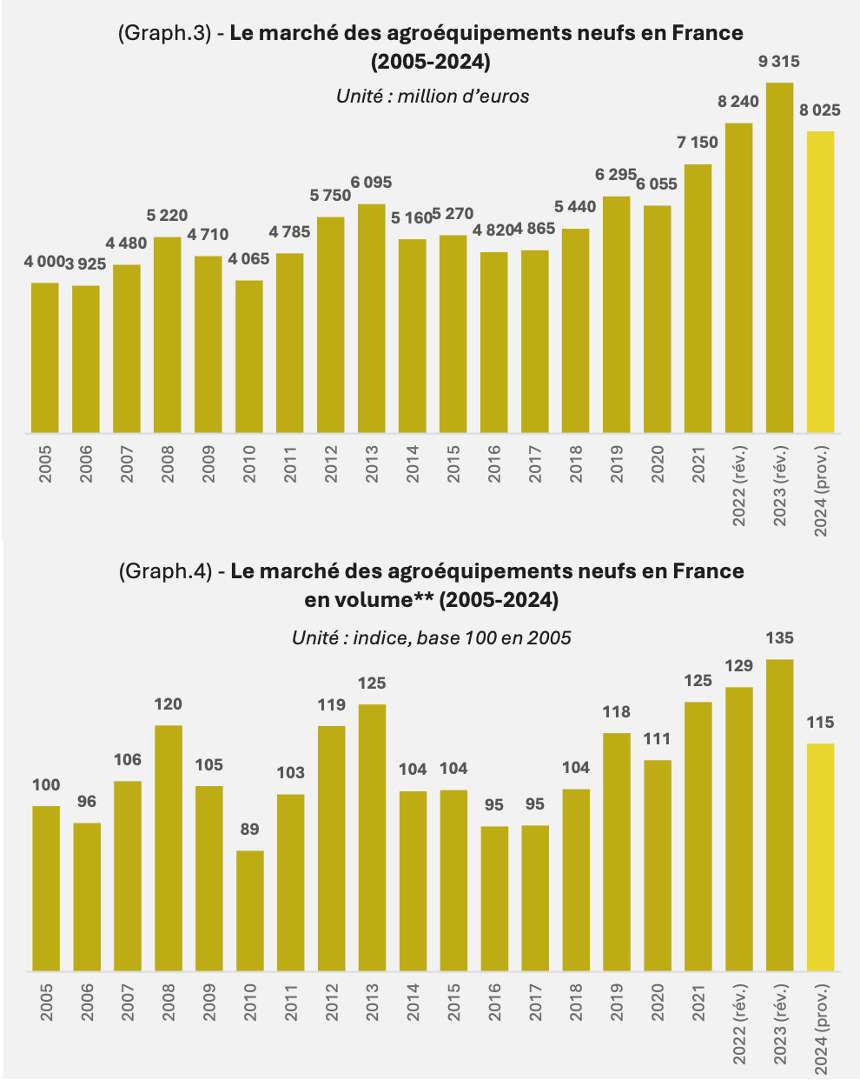
« Source : Rapport économique 2025 - AXEMA »
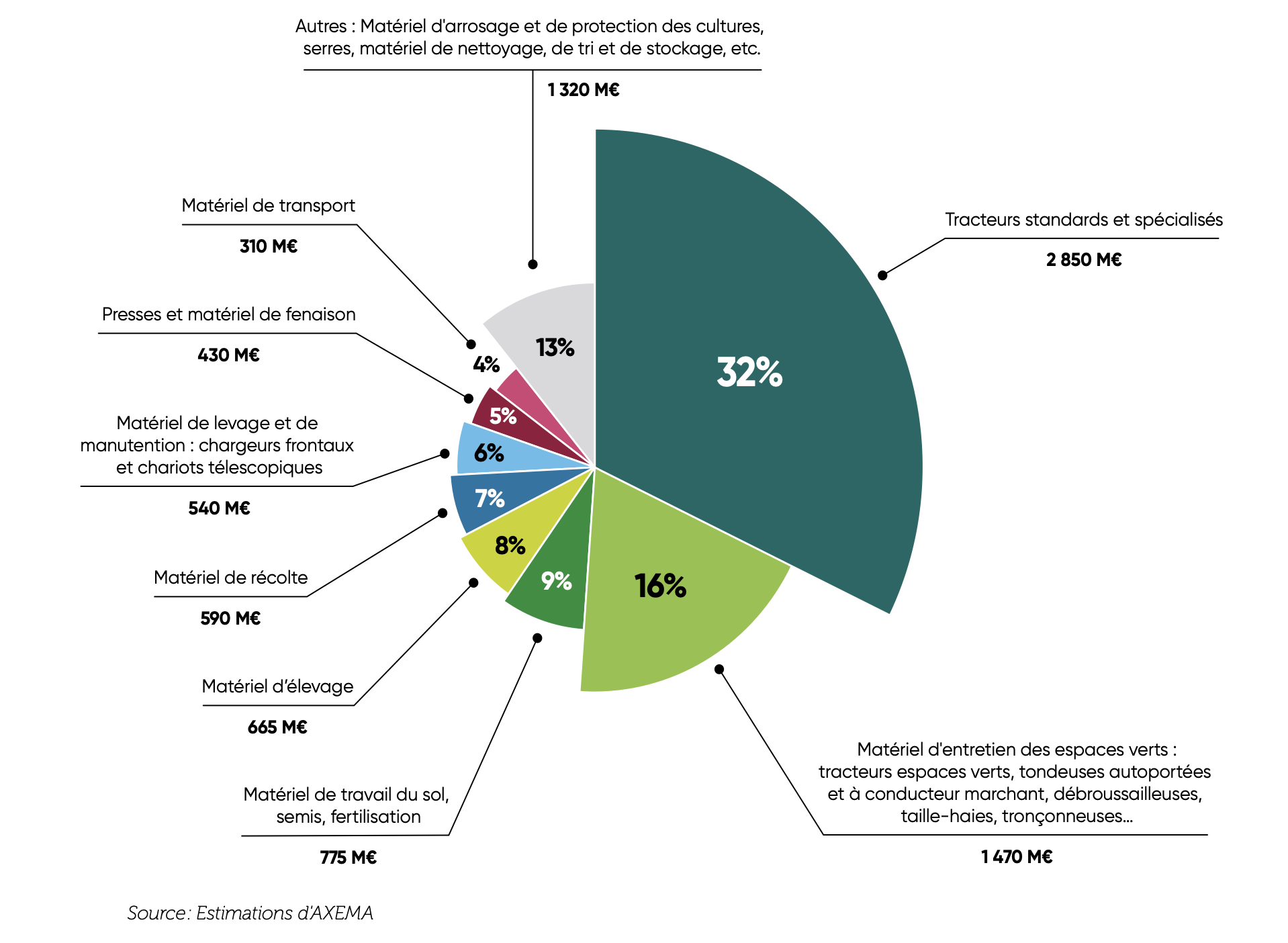
"来源 :2023 年经济报告 - AXEMA "
Robots slowly conquer farms - 2023
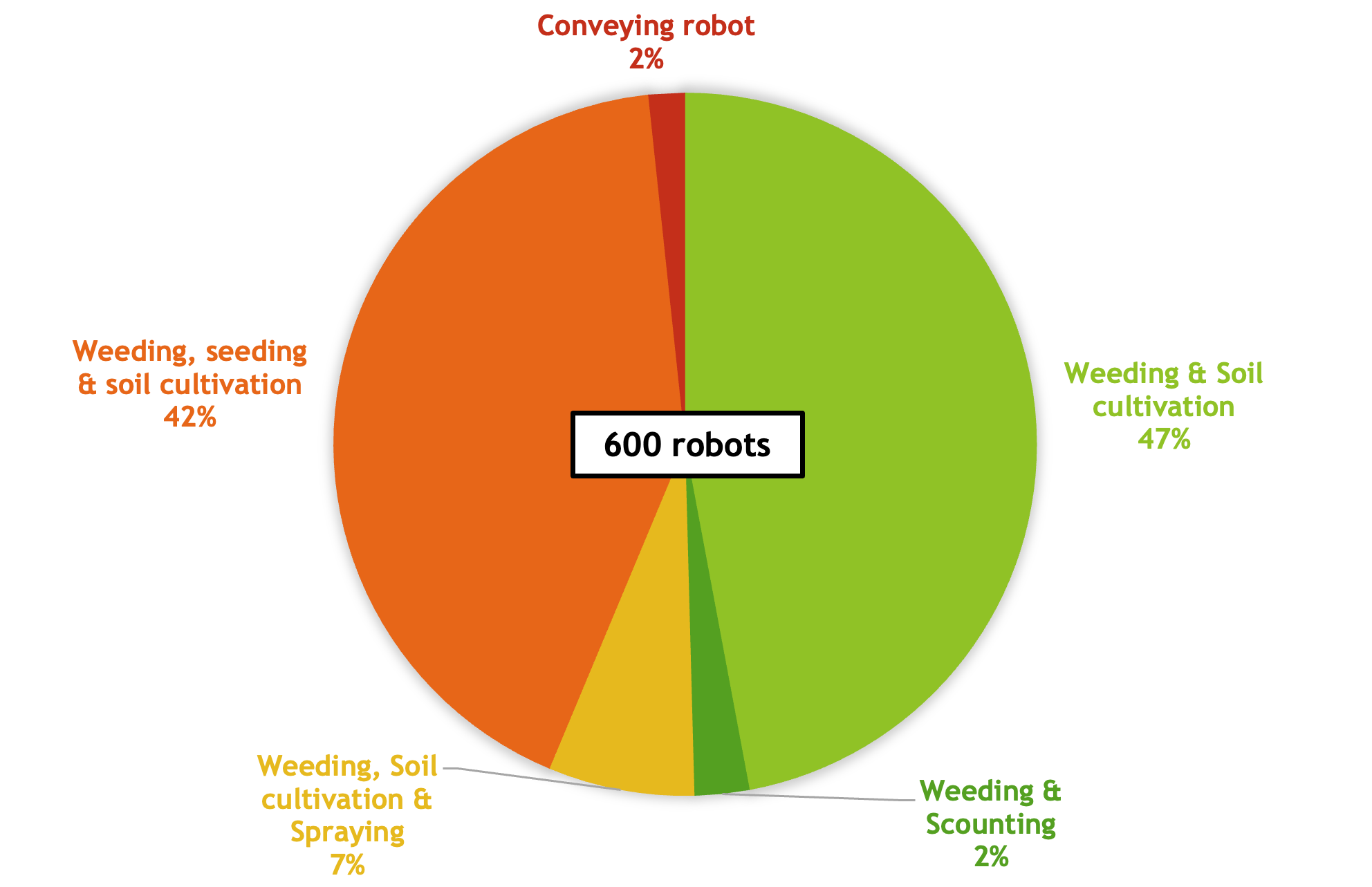
« Source : Observatoire du numérique »
2018 年,100 台户外机器人曾在田间漫步;如今,到 2023 年底,将有超过 600 台。过去,有 100 台户外机器人在田间漫游;如今,到 2023 年底,将有超过 600 台,5 年内增长 500%。
2022 年,共售出1 250 台新型挤奶机器人,与 2021 年相比增长了 18%。这些机器人的市场占有率已达到30%,并将在未来几年继续增长,直至普及。
至于机器人割草机,2022 年新售出90 000 台,占割草机市场的 10%。
是什么原因让人们对机器人和新技术如此热衷?不断变化的农业模式和减少投入的社会压力。
Farms undergoing radical change - 2020
Unlike other markets studied in the past, French agriculture has always been based on a family farm model. A majority of small to medium farms averaging 80 hectares, with a manager who takes care of the work and the family there to help. But due to a lack of farmers, manpower and profitability, this model is in the throes of change.
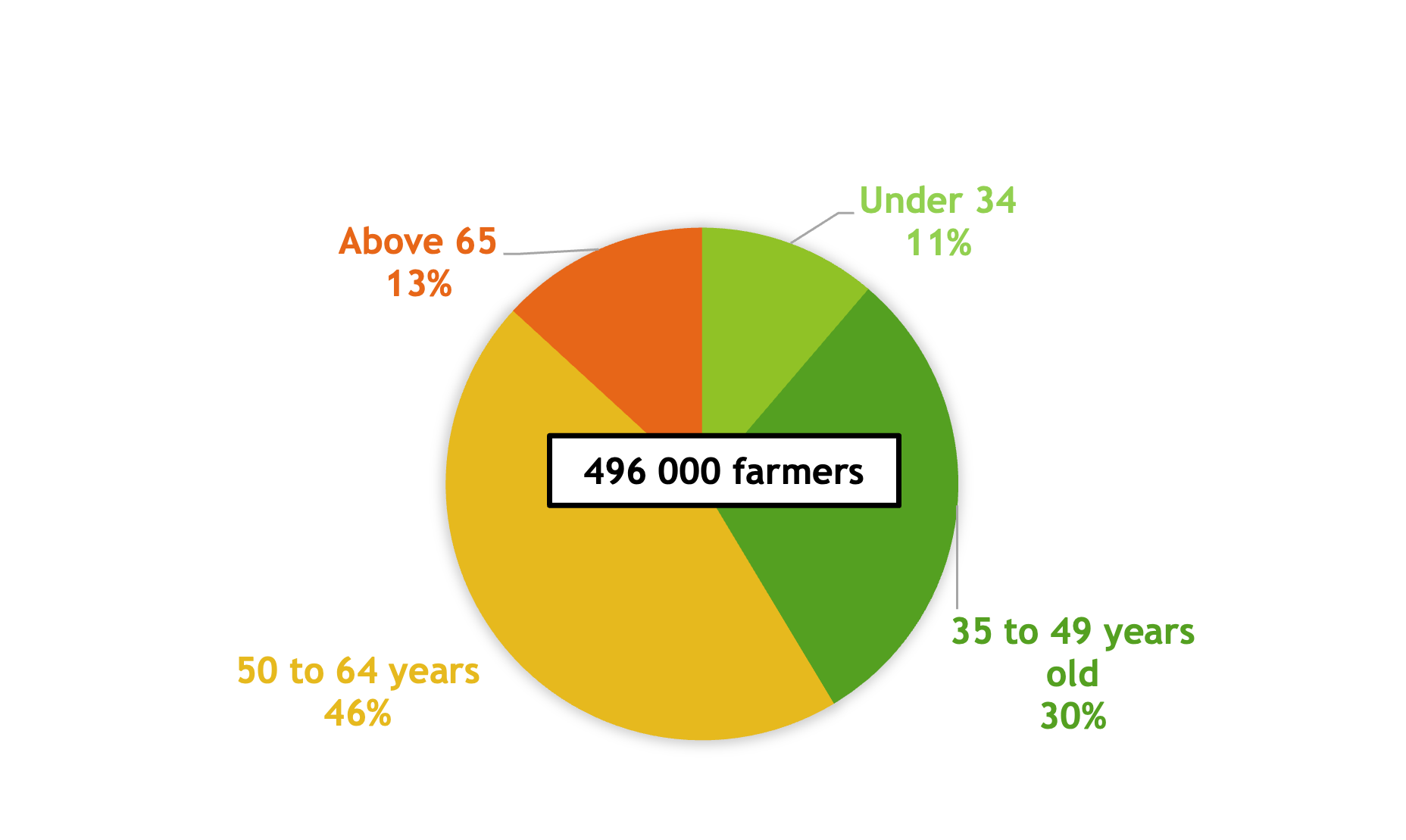
每 3 个退休人员安装一个
10 年间,法国已经失去了20% 的农民,而且这还没有结束。未来 15 年内,59% 的农民将退休。这意味着什么?农场将扩大,农民将聚集在一起,他们必须配备更高效的机械,以更少的劳动力完成同样的工作。
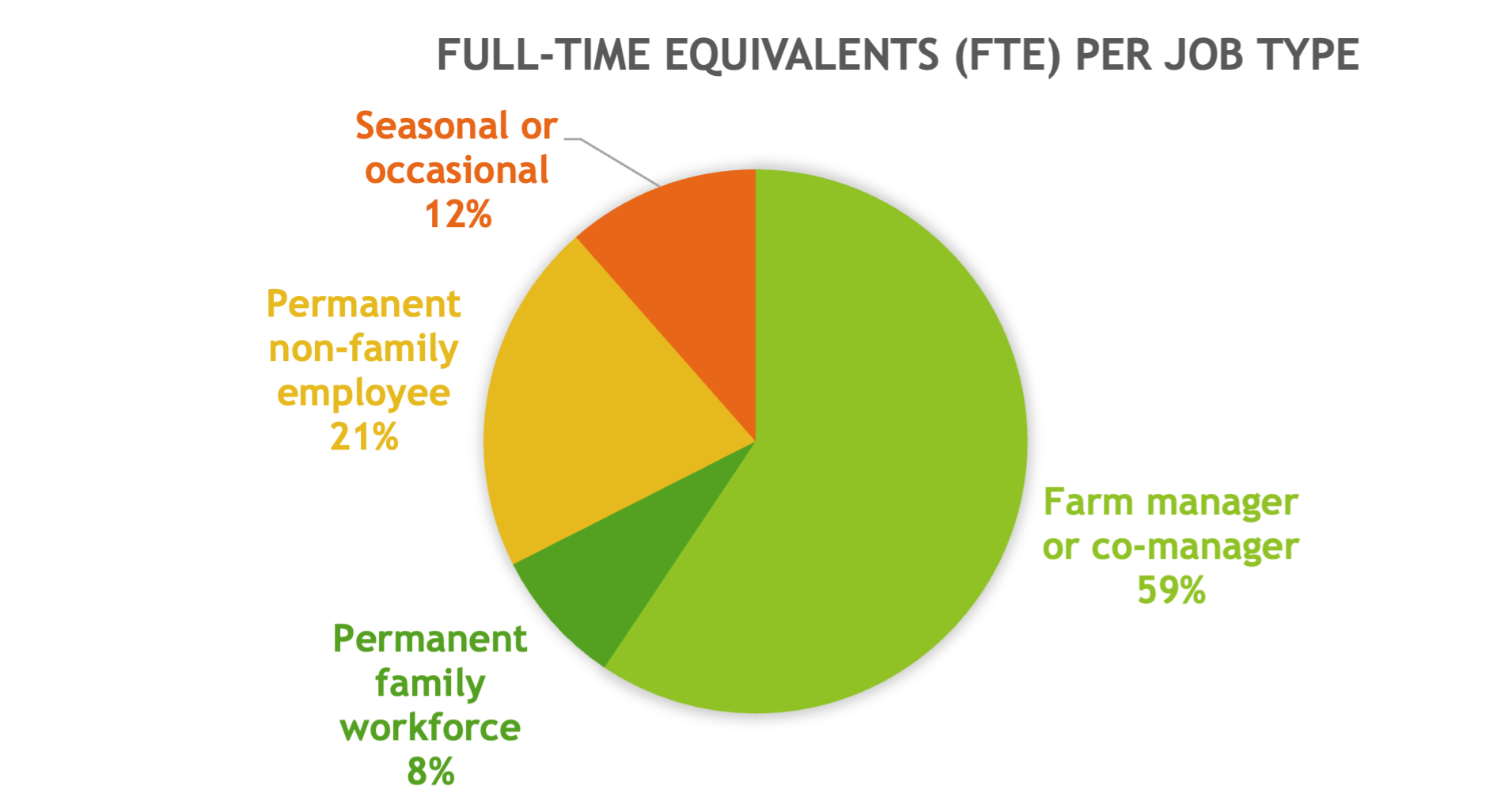
劳动力日益稀缺和昂贵
在过去 10 年中,农业劳动力减少了10%。家庭雇员减少了40%,减少幅度最大。 长期雇员是唯一增加的就业类别,增加了 8%,这主要得益于承包商和 CUMAS(合作社)的发展。
Leading the world organic production, but at what price?
It's no longer a surprise that organic production has been booming for over 10 years in Europe and France. This change in production is driven by consumer demand for healthier products. But it is also driven by the political system, which, through the distribution of grants, is pushing farmers to review their production model.
This “society” pressure is driving farmers to adopt more sustainable practices, and to actively seek out innovative technologies such as organic farming methods, biocontrol solutions and intelligent crop management techniques. Since the end of COVID, there has been a noticeable stagnation in the organic market, mainly due to market traction falling short of initial estimates.
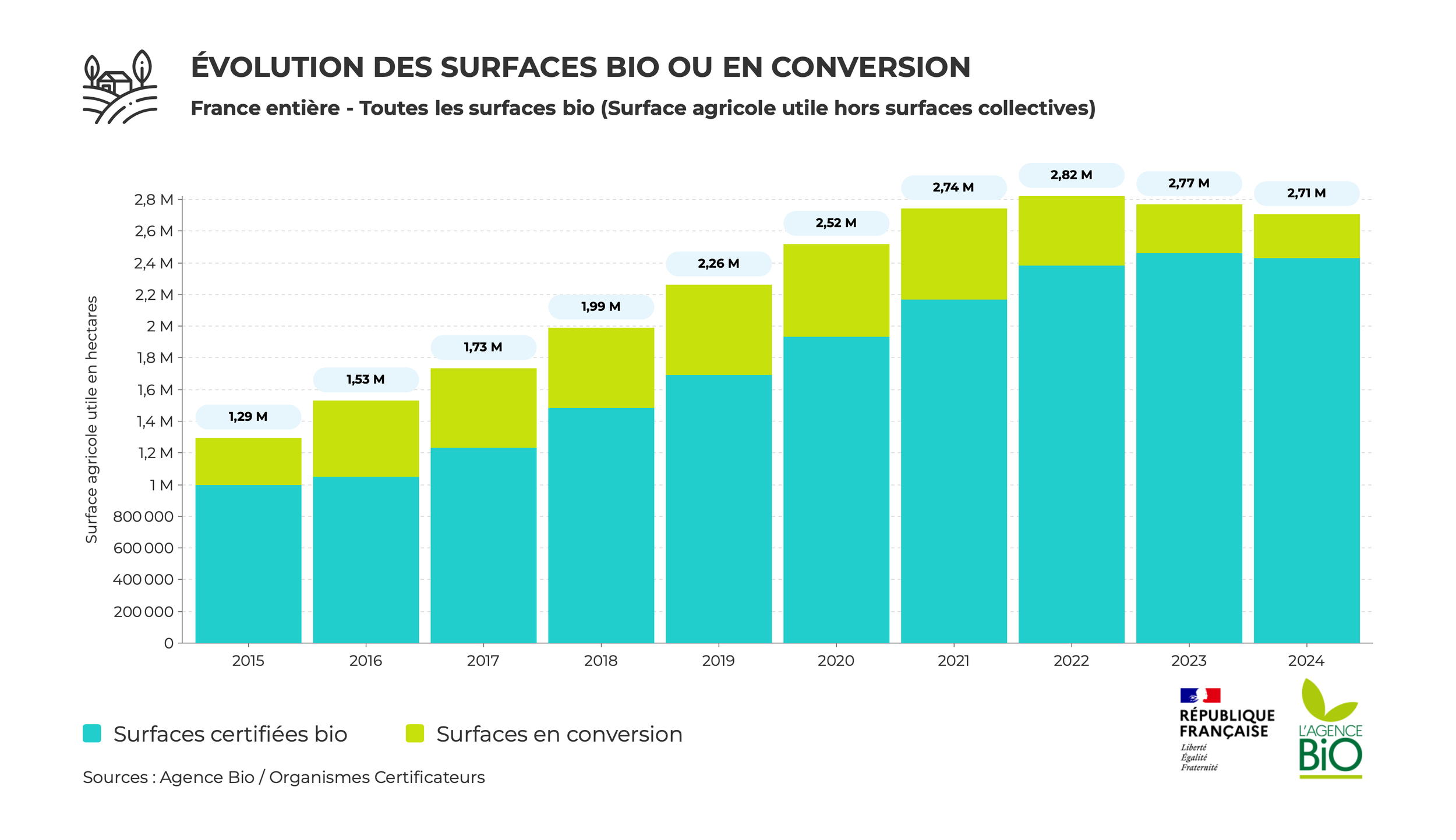
If we have a look crop sector per crop sector :
🌾 10% of field crops market grown in organic - 650,000 hectares + 1.2 millions of grasslands
🍇 20% of the vineyards market grown in organic - 160,000 hectares
🥬 10% of the vegetables market grown in organic - 42,000 hectares
🍎 35% of the tree crops market grown in organic - 66,000 hectares
这反过来又促进了环保技术的出现。在所有市场中,最令人期待的技术是所有用于管理杂草、寄生虫和真菌的替代技术。本地生产商和进口商将自己主要定位在这些利基市场也并非没有道理。
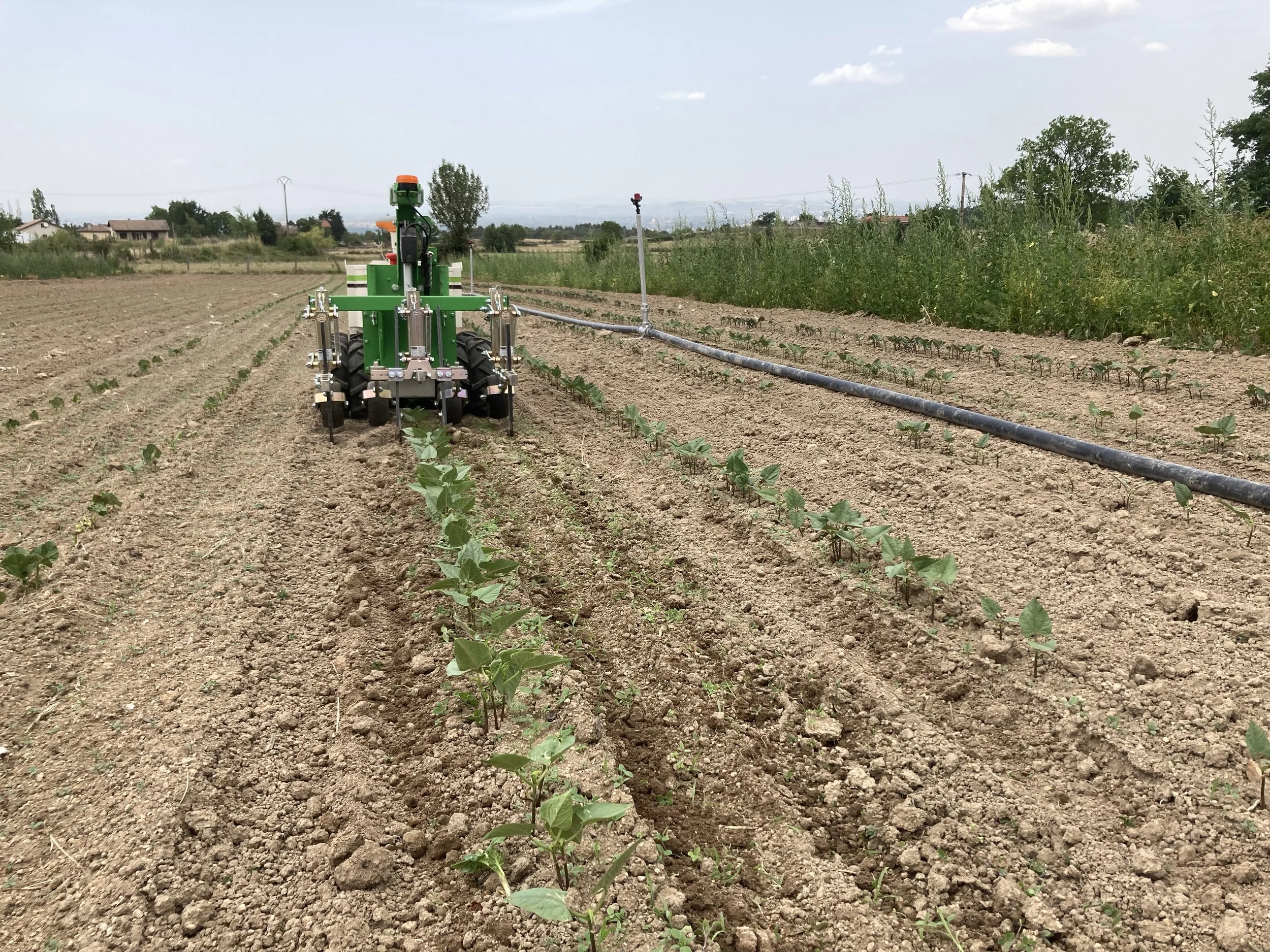
Oz Naïo 用户体验,2022 年
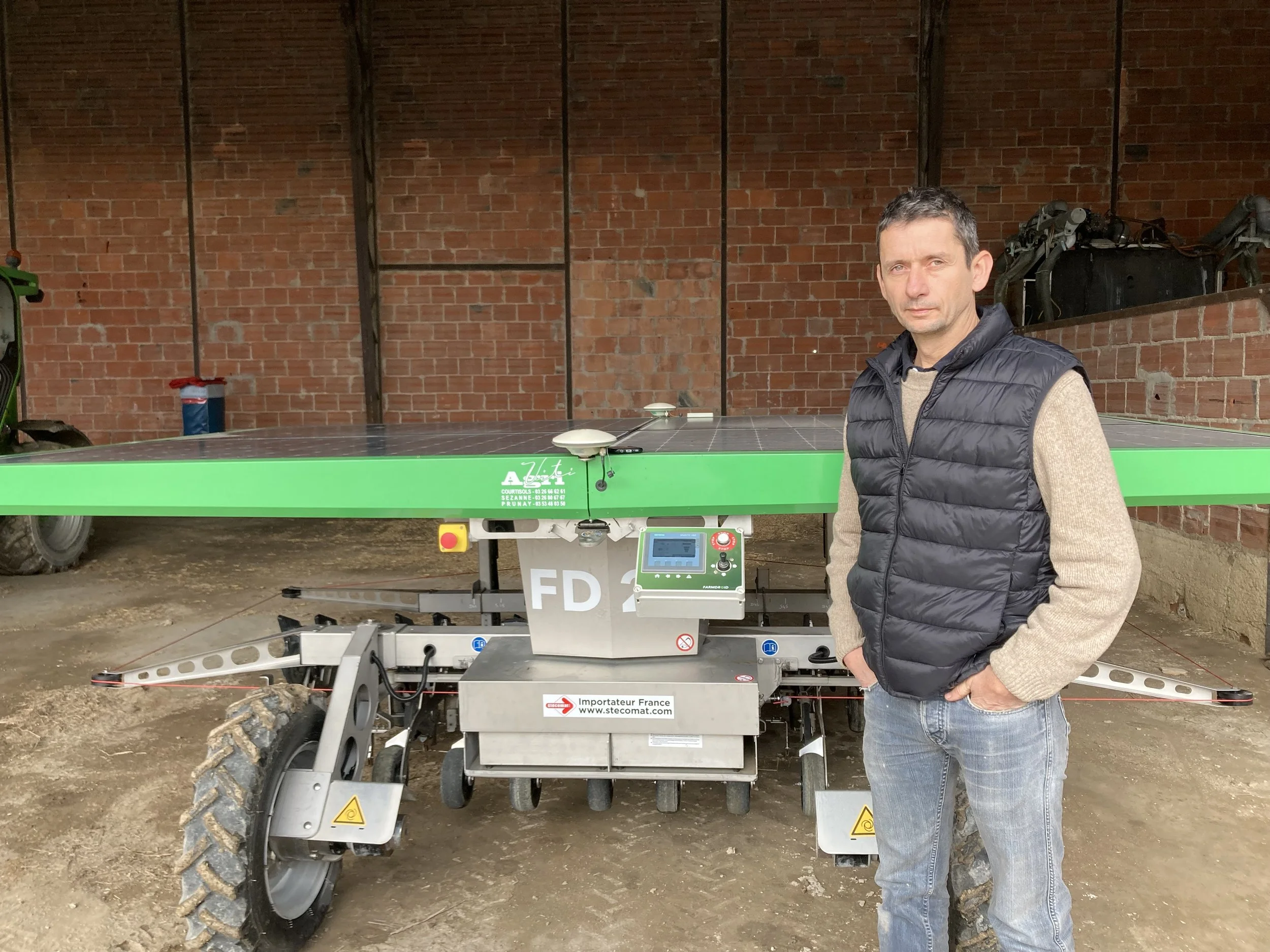
2022 年Farmdroid 用户体验
By 2030, Europe aims to significantly reduce the use of plant protection products, at least 50% less, to promote more sustainable agricultural practices. Massive investment in research and development is planned to promote innovative, environmentally-friendly solutions, while guaranteeing food safety and environmental protection. The ultimate goal is to create a balance between agricultural productivity, the preservation of biodiversity and public health, by transforming the agricultural landscape towards a more ecosystem-friendly approach.
France is the most subsidized agriculture country
French agriculture receives considerable support through various subsidy and financial support mechanisms. These subsidies come mainly from the European Union's Common Agricultural Policy (CAP), which accounts for a significant proportion of the French agricultural budget. They are allocated for a variety of reasons, including supporting farmers in modernizing their practices (PCAE grants programs), encouraging environmentally-friendly methods or technologies (Plan France Relance), maintaining competitiveness on the world market, and guaranteeing food safety.

欧洲层面:共同农业政策 (CAP)
农民一般根据其农场的公顷面积领取收入补助。所有欧盟国家都必须提供基本补贴、可持续耕作方法补贴和青年农民补贴。
此外,欧盟国家还可以选择提供其他付款方式,主要针对特定行业或农业类型,如有机农业。还有一些专门计划旨在帮助中小型农场、年轻农民、在自然条件受限地区和/或面临困难的行业经营的农民。
在国家一级:发展第三次农业革命
该计划鼓励部署数字农业、传感器、机器人和人工智能等尖端技术,以提高农业效率,同时减少对环境的影响。该计划还支持向农业生态耕作模式、土壤再生和减少化学投入过渡。通过投资于研究、培训和采用创新做法,"法国信心 "计划旨在将法国农业置于可持续发展的最前沿,在应对当前挑战的同时,为高效农业铺平道路。
这 23 项受补贴技术的共同重点是使农业生产更清洁、更高效。它们通过减少农药等投入(如 Bliss 系统)、采用生态友好型机动化(如 Vitibot 的 bakkus)以及通过优化工作流程 提高农民的自主性 (如库恩的 Aura)来实现这一目标。
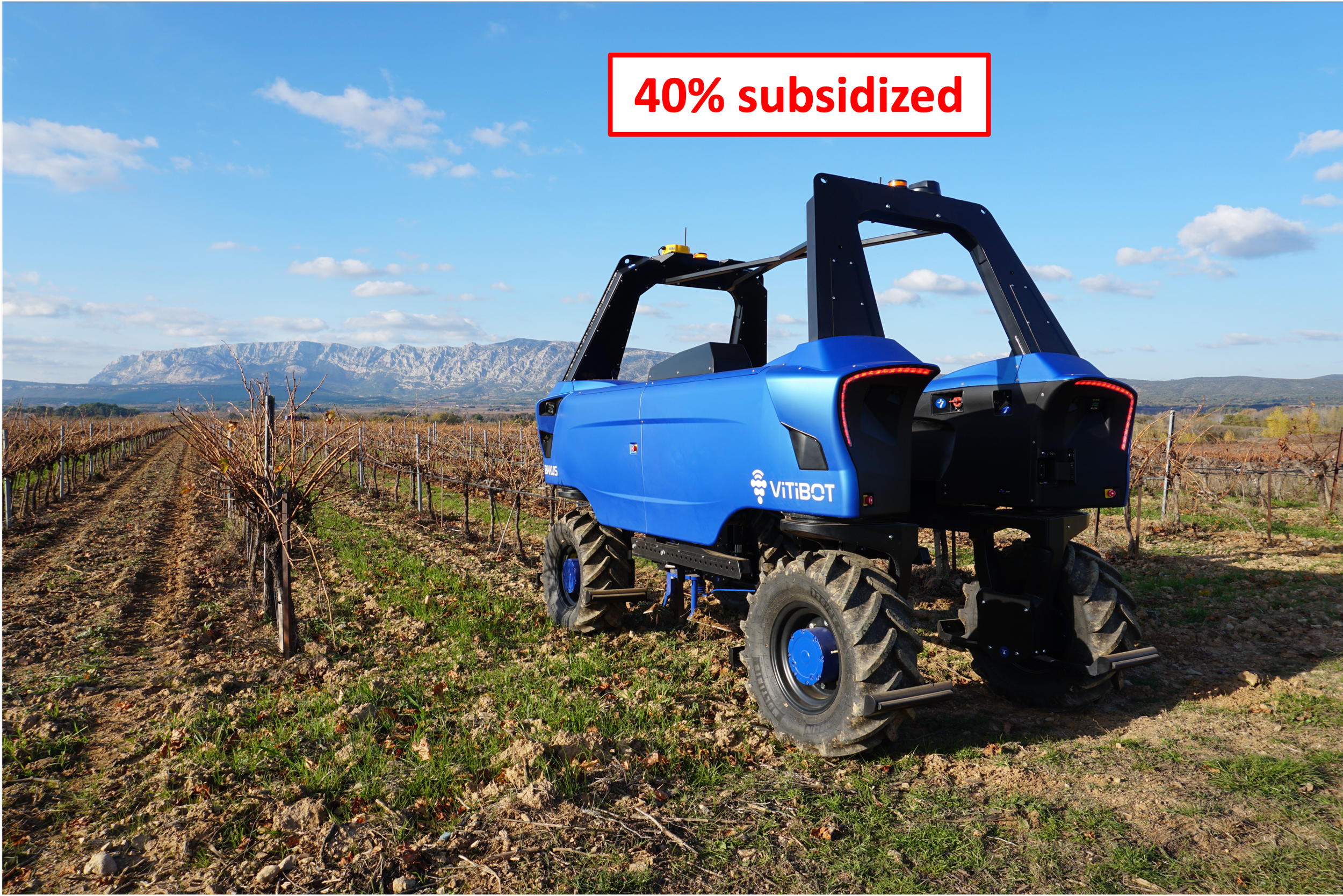

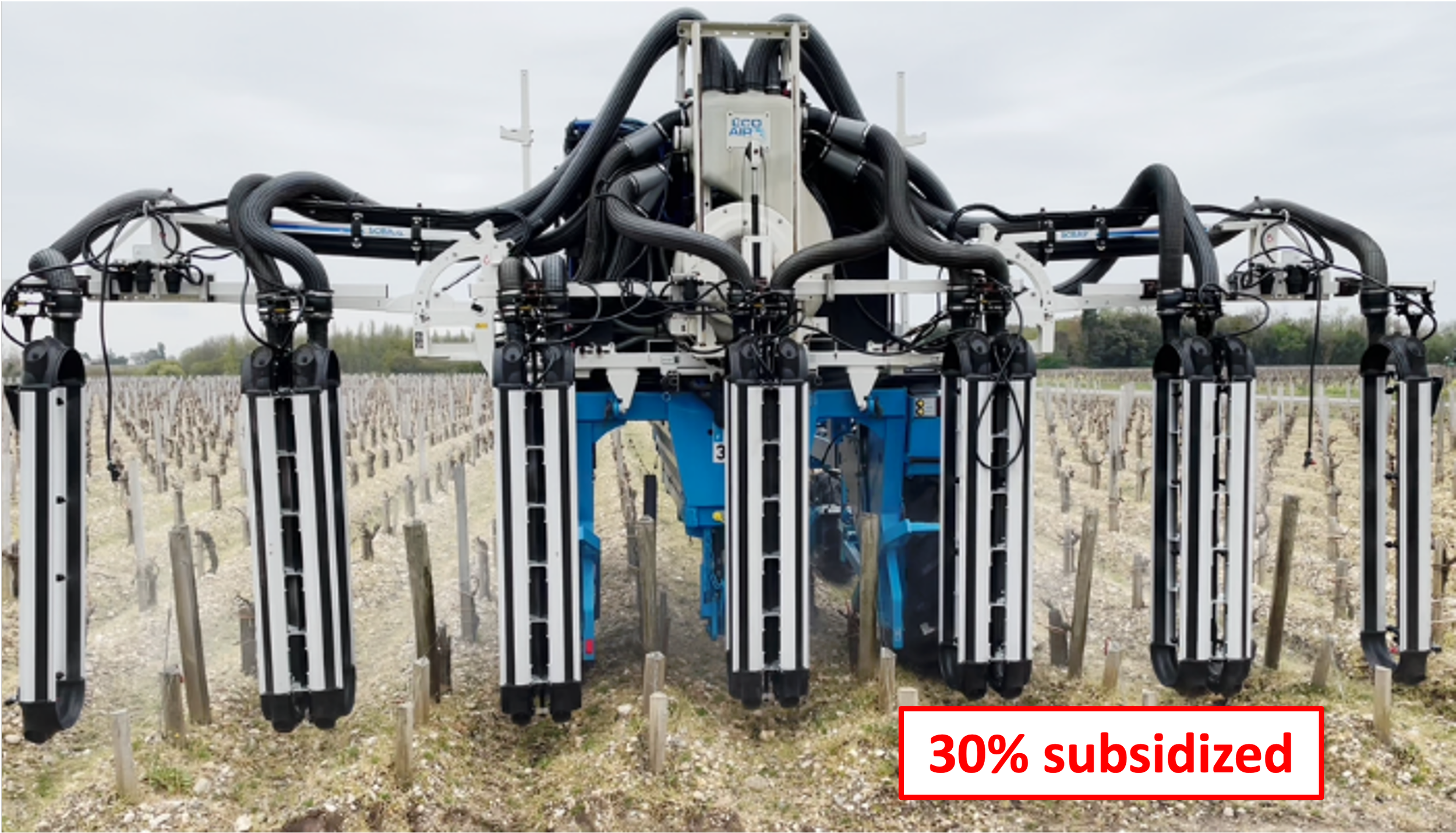
地区层面:竞争力与可持续农业计划(PCAE)
每个地区农会都有几百万欧元的预算,用于向农民提供补贴,鼓励环保做法,促进减少化学投入、保护自然资源和支持创新项目。这些不同的资助计划和补充补贴是法国农业现代化和绿色化动态的一部分,旨在应对该行业的经济、环境和社会挑战。
PCAE 补贴的机械因地区和农民的具体需求而异。不过,一般来说,符合 PCAE 补贴条件的机械和设备都是那些促进环保耕作的机械和设备。常见的获得补贴的机械包括用于......的设备:
精准农业、减少化学投入的机器(如除草机或更高效的喷雾器)、水管理设备或堆肥和农业废弃物管理设备、促进可再生能源利用的机器,如农场甲烷化或太阳能生产设备。
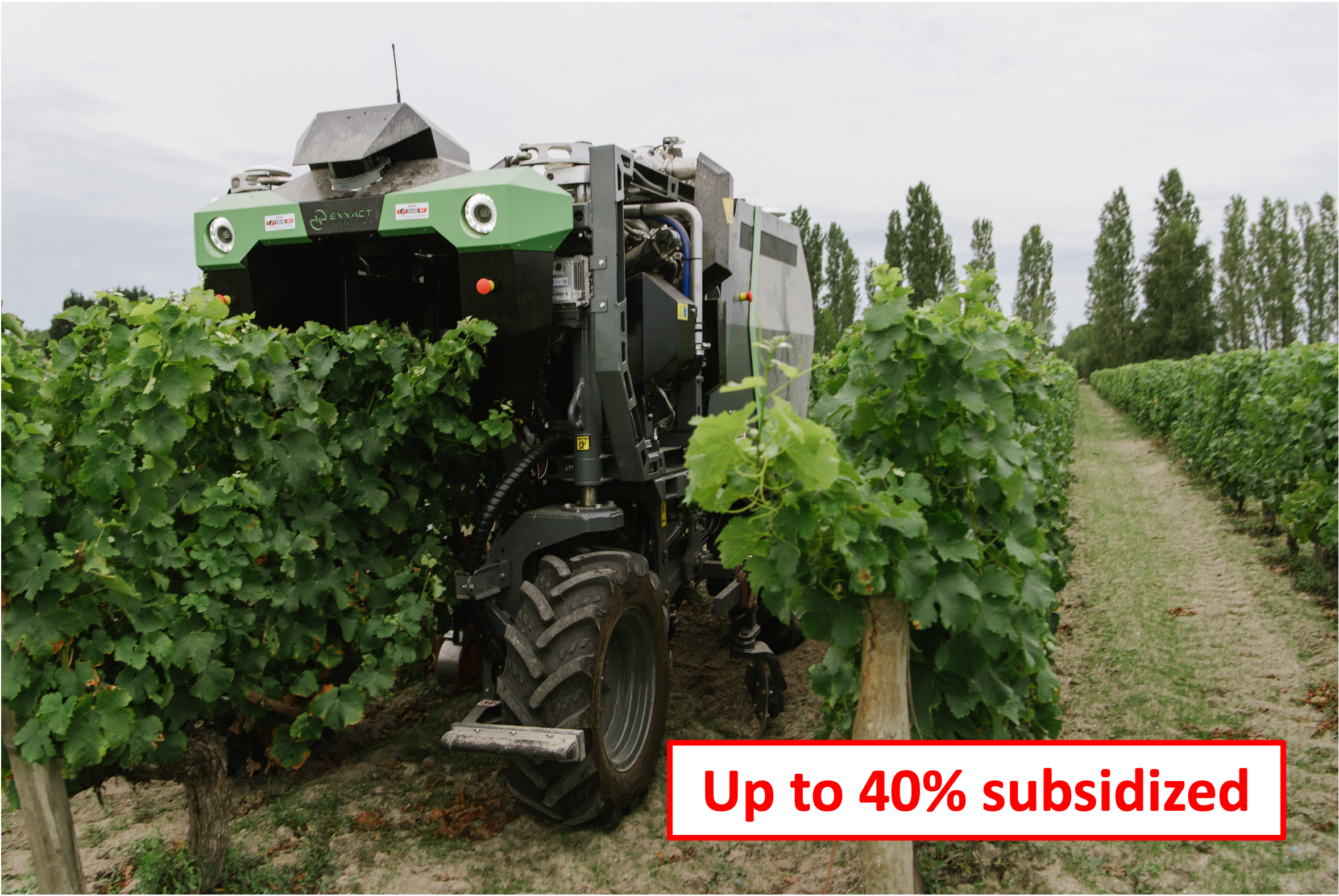
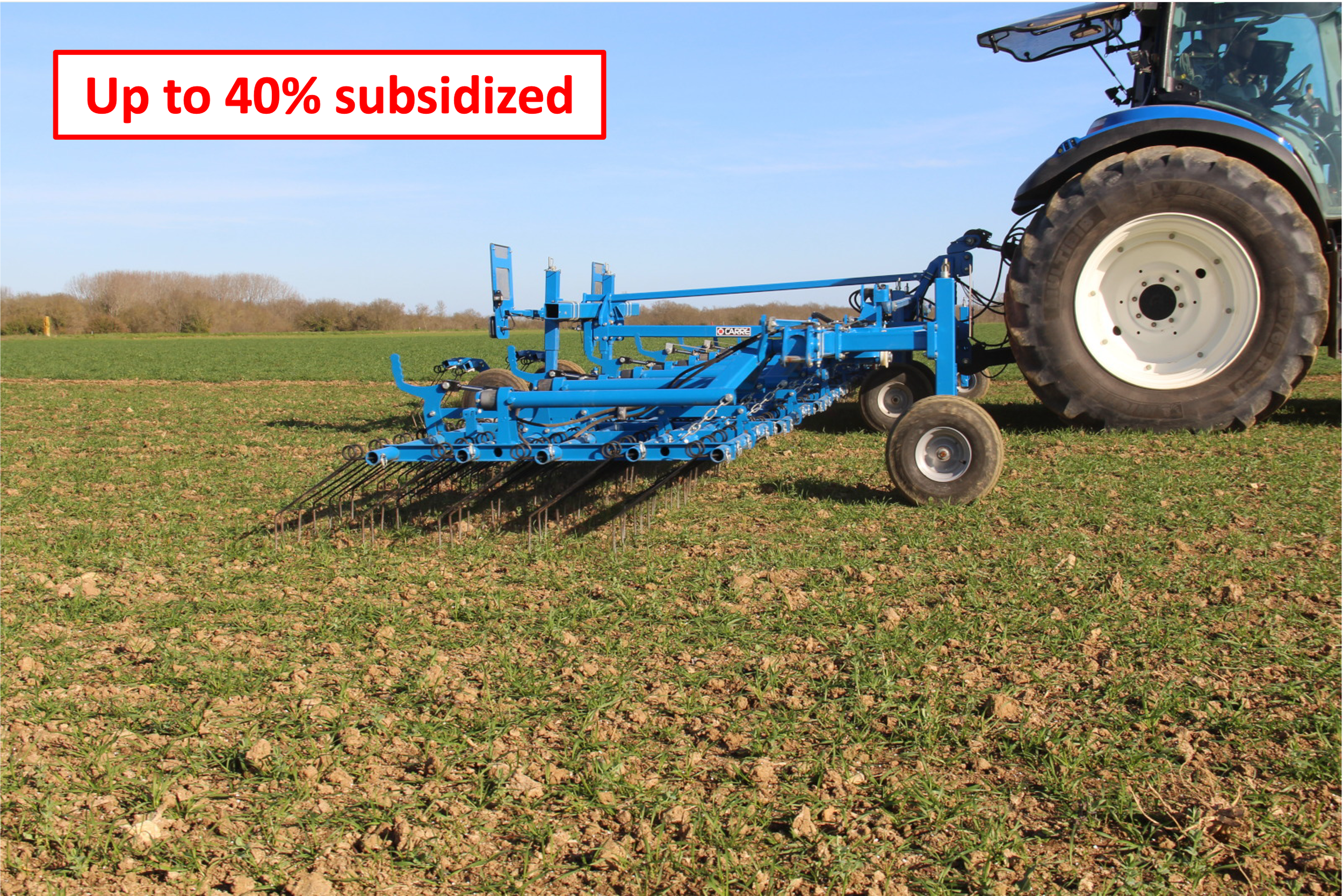

法国的农业补贴制度旨在支持农民采用可持续发展的做法、实现农场现代化和促进创新,以协调生产力、环境保护和经济活力之间的关系。获得设备补贴是实现投资回报最大化和更快打入市场的关键。
不断上涨的生产成本
The recent rise in production costs in French agriculture can be attributed to several factors. Rising prices for agricultural inputs such as fertilizers, fuels and crop protection products have impacted farmers' expenses. In addition, farm labor costs have also risen, influenced by changes in legislation on wages and working conditions.
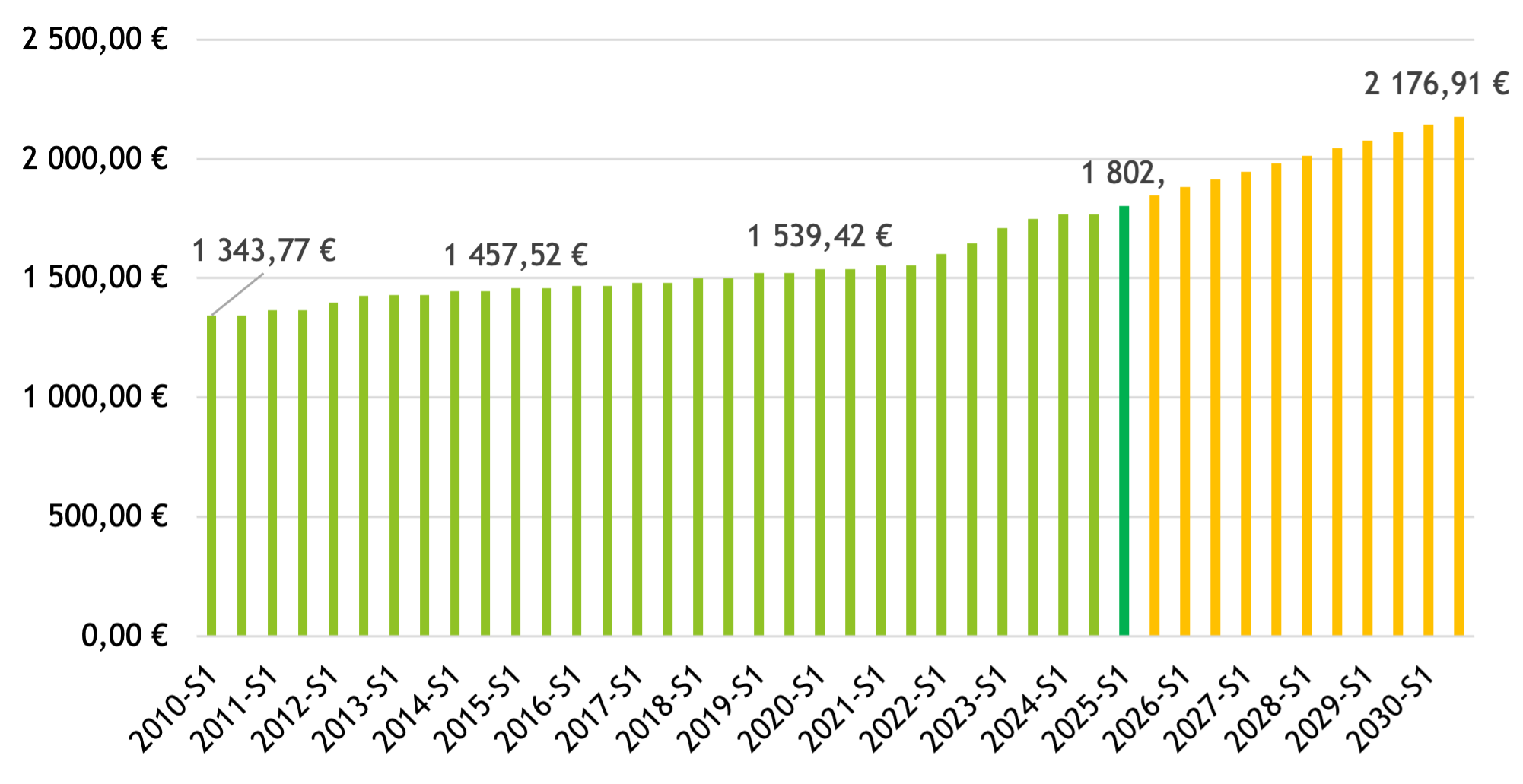
Minimum Labor wage evolution (Called SMIC)
+34% in 15 years
最低工资和最低工资成本逐步提高,直接影响到农场。此外,还进行了立法改革,以保障农业工人有更好的工作条件,特别是在加班、带薪休假和安全措施方面。
In addition, demographic trends, may have exerted upward pressure on labor costs, sometimes leading to higher wages to attract and retain skilled workers.
至于更间接的原因,气候变化和极端天气事件导致了对农场适应性的额外投资,例如对更高效的灌溉系统或弹性基础设施的投资。最后,人们对有机食品和优质农产品的需求不断增长,有时需要对新的耕作方法或特定认证 进行投资,从而影响了生产成本。
有机农业的生产成本往往高于传统农业。这是因为要使用更昂贵的投入品,需要更多的机械或劳动力投入,以及产量较低。 由于生产成本较高,尽管有机产品的销售价格较高,但农民有时仍无法收回所有生产成本。
农民们愿意从世界各地寻求技术,以帮助他们提高农场的盈利能力,并从工作中获得最大收益。有机产业的长期盈利能力将取决于农民以客户可接受的价格提供优质产品的能力。
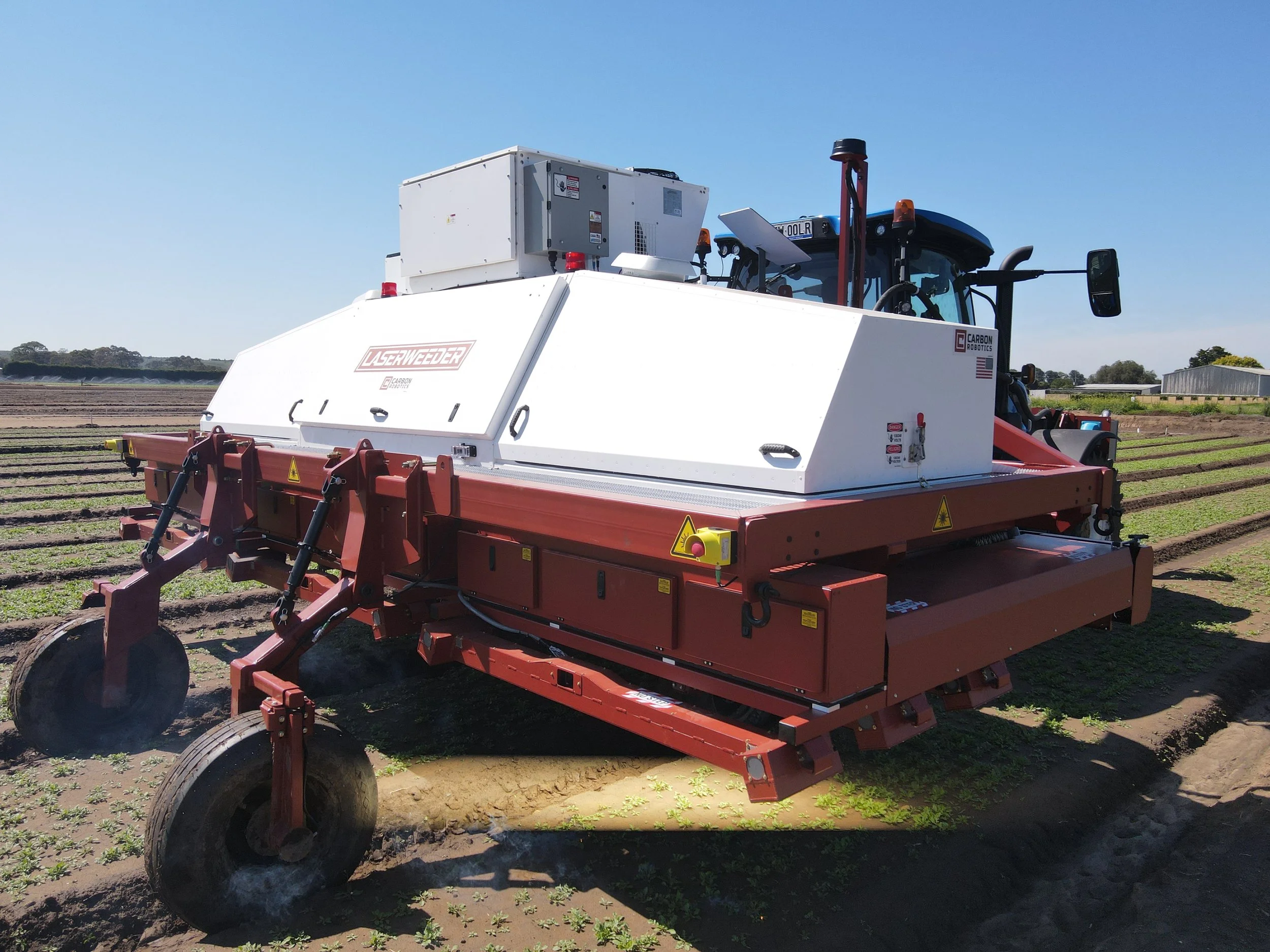
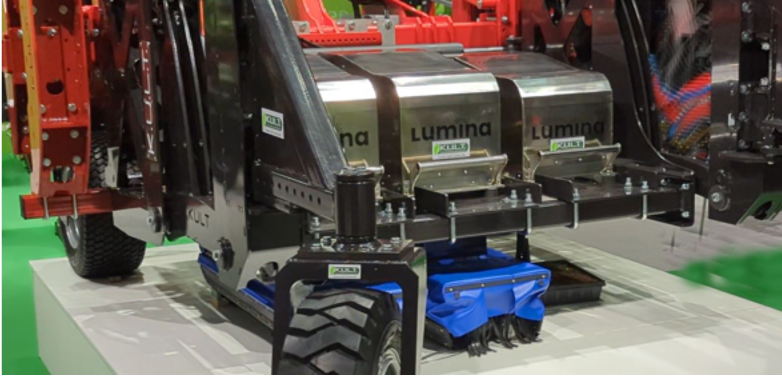
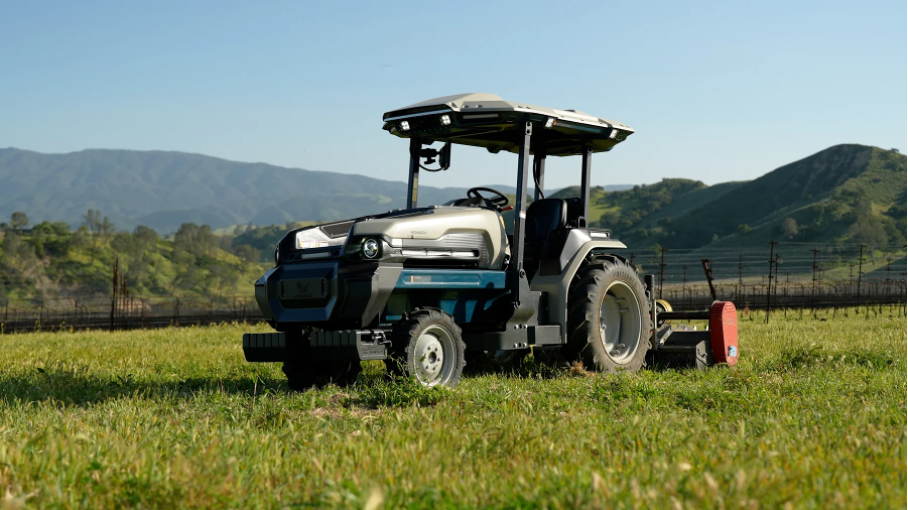
The French agricultural market is in the throes of change, gradually adopting new technologies to meet contemporary challenges. The trend towards the adoption of these innovations is visible, driven by the need to increase efficiency, reduce environmental impact and ensure the sustainability of the agricultural sector.
种植者越来越乐于整合技术,以优化产量和减少投入。这种更智能、更可持续的耕作方式反映出法国致力于在全球市场上保持竞争力,同时满足人们对产品质量和环保方面日益增长的期望。这些技术进步,加上公共政策的更多支持和农业参与者之间的密切合作,正在塑造一个坚定地专注于创新和可持续发展的法国农业格局。
您还有其他问题吗?请通过我的社交网络与我联系: