
EP6/7 : De weg naar een succesvolle ontwikkeling van een AgTech oplossing
Optimizing Product Scaling Through Final User Feedback 🌟
In mijn werk met landbouwrobots heb ik gezien hoe belangrijk vroegtijdige feedback van gebruikers is bij het vormgeven van de functionaliteit van een product. Boeren gebruiken machines vaak op manieren die fabrikanten niet volledig kunnen voorzien, waardoor behoeften of uitdagingen aan het licht komen die tijdens de ontwerpfase niet aan bod zijn gekomen. Een van de grootste fouten die bedrijven maken is dat ze te snel willen opschalen zonder hun product te verfijnen op basis van feedback uit de praktijk.
During a robotics project, I witnessed how skipping this step led to costly redesigns and frustrated customers. Instead of launching the product on a broader scale, we had to reallocate resources to fix avoidable issues—an outcome that could have been prevented with a stronger focus on user-driven iterations early on.
👀 Previous episodes (Episode 5/7): BUILDING A SUCCESSFUL DISTRIBUTION NETWORK : STRATEGIES FOR PARTNERING EFFECTIVELY

AgTech Market is opgericht in 2022 en is gespecialiseerd in het overbruggen van de kloof tussen agrarische innovatie en toepassing in de praktijk. We helpen fabrikanten van landbouwmachines zich aan te passen aan de veranderende AgTech-trends door ondersteuning op maat te bieden, van marktanalyse tot productontwikkeling en go-to-market-strategieën. Het is onze missie om AgTech-oplossingen toegankelijk en effectief te maken en zo de adoptie van technologieën te stimuleren die echt voldoen aan de behoeften van zowel boeren als fabrikanten. Ontdek hoe AgTech Market u kan helpen.
💡 Best Practices for Scaling AgTech Products Successfully
Scaling up requires a strategic approach that integrates feedback loops at every stage. Here’s how to optimize the process:
👂 Listen to Your Early Users
Use pilot projects to gather detailed feedback on usability, performance, and compatibility.
Focus on farmers who are invested in innovation, as they will provide actionable insights.
🔄 Iterate Before Scaling
Incorporate feedback to refine the product, whether it’s simplifying interfaces, enhancing durability, or improving automation.
Addressing issues during early stages saves significant costs compared to revising products already in broader deployment.
📊 Data-Driven Refinement
Analyze data from user interactions to identify trends, common issues, and opportunities for improvement.
Use this data to ensure the product fits diverse agricultural environments and user preferences.
🌐 Test New Markets Strategically
Begin with markets that closely mirror your initial user base in terms of climate, crops, or farming methods.
Avoid expanding to vastly different markets without a robust understanding of local needs.
🤝 Build Long-Term Relationships
Keep communication channels open with your early adopters, as they can become ambassadors for your product.
Offer ongoing support and recognize the critical role they play in your product’s success.
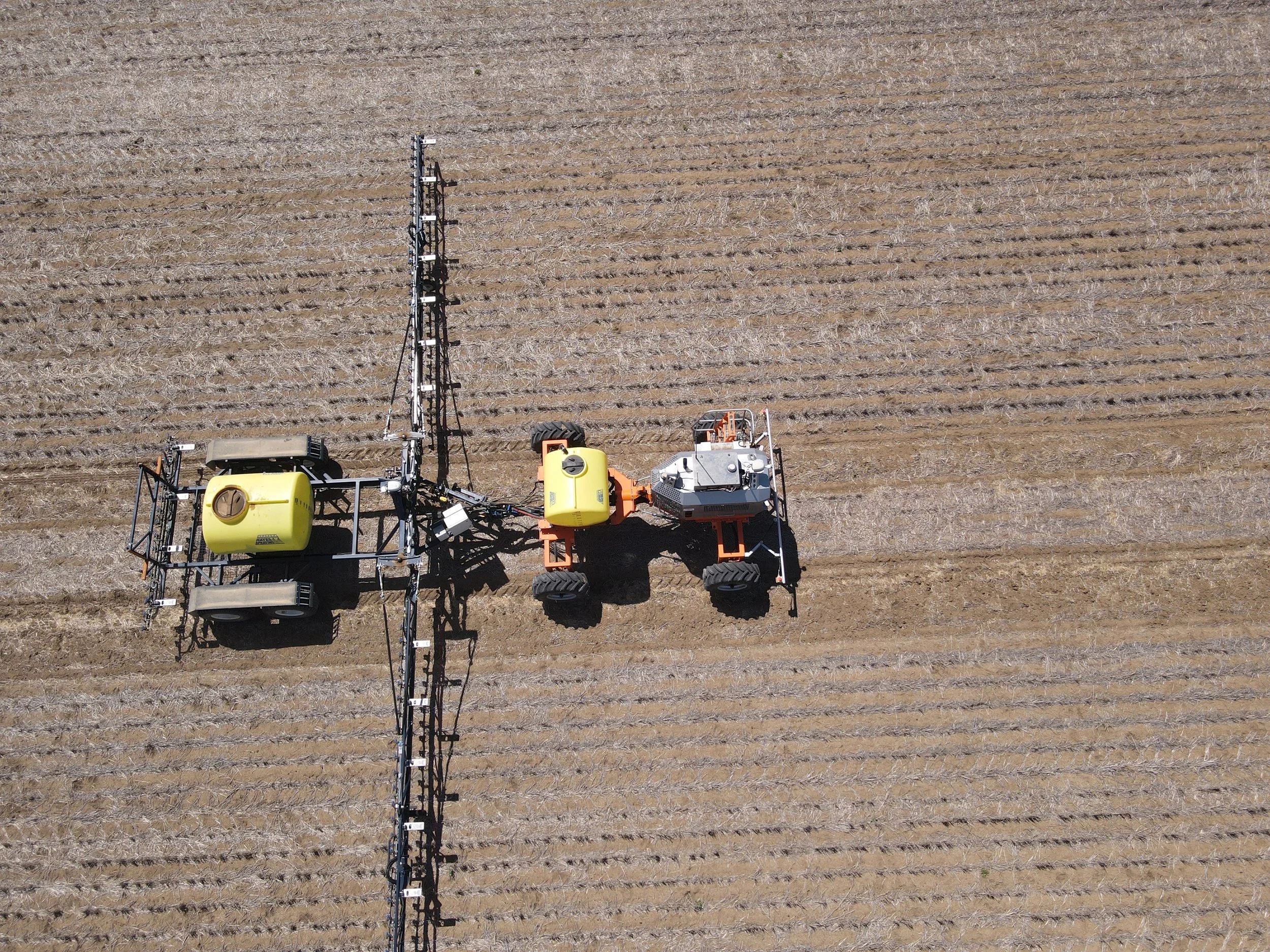
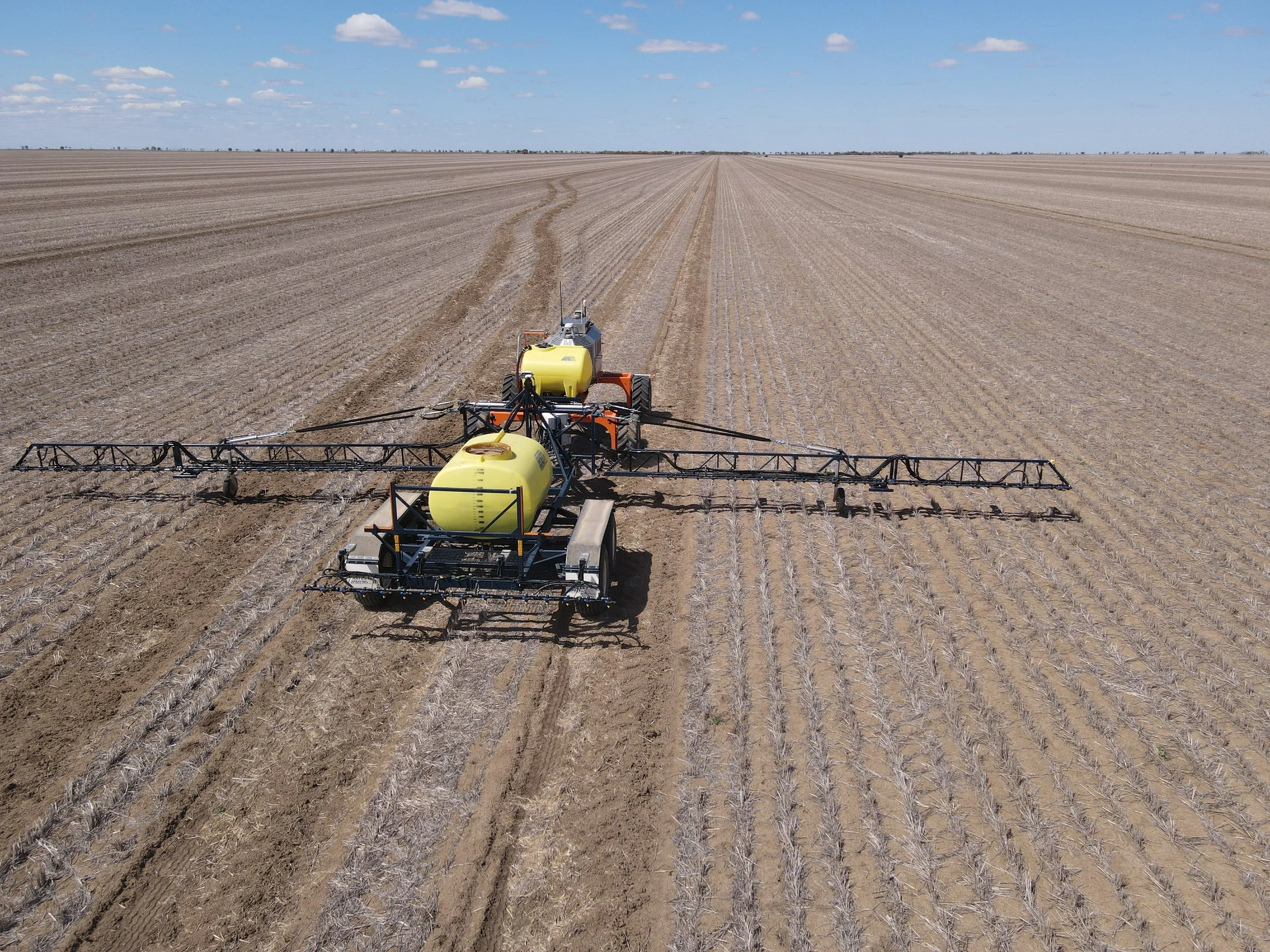
🌾 Case Study: SwarmFarm Robotics’ Scaling Success in Australia
SwarmFarm Robotics, a leader in autonomous field robotics, exemplifies the power of user-driven development in scaling. Based in Australia, the company initially focused on perfecting its product within the local market before expanding internationally. Here’s how they succeeded:
Targeted Testing in a Niche Market: SwarmFarm launched its robots in large-scale, broadacre farming operations, a dominant segment in Australia with clear challenges, like labor shortages, repetitive field tasks and expensive spraying costs
Farmer Collaboration: SwarmFarm worked closely with farmers to understand how the robots performed in real-world conditions, making iterative improvements based on feedback.
Data-Driven Optimization: They used field data to refine autonomy features, ensuring the robots could handle large, irregular fields common in Australian agriculture.
Gradual Scaling: Only after achieving strong adoption and trust within Australia did SwarmFarm begin targeting other markets, using their local success as a foundation.
This focused approach, grounded in real-world feedback, allowed SwarmFarm to create a scalable, farmer-approved product that met real operational needs.
KEY TAKEAWAYS FROM EPISODE 6:
1️⃣ Scaling Requires Feedback-Driven Refinement
Launching too quickly without integrating real-world feedback can lead to costly redesigns and frustrated customers. Use early user insights to refine your product and address challenges before scaling.
2️⃣ Data and Collaboration Are Your Best Tools
Farmers' input and field data provide invaluable insights for adapting your product to diverse environments and use cases. Collaboration with end-users ensures your solution fits real operational needs.
3️⃣ Start Small, Scale Strategically
Begin with markets similar to your initial base, building trust and adoption locally before expanding. Gradual scaling, grounded in proven success, minimizes risks and prepares your product for global markets.
👀 Next Episode (Episode 7/7): THE AGTECH MARKET METHOD: YOUR PATH TO SUCCESS
Worstelt u met de ontwikkeling van uw product in de AgTech-markt? Laten we praten! Ik kan u helpen uw markt te analyseren en een duidelijke strategie te ontwikkelen. Neem contact met me op via LinkedIn of organiseer hier een afspraak ⬇️
De weg naar een succesvolle ontwikkeling van een AgTech-oplossing
Ep 0/7 : IS DE AGTECH INDUSTRIE IN CRISIS?
Ep 1/7 : HOE POSITIONEER JE JE PRODUCT SUCCESVOL OP DE AGRARISCHE MARKT?
Ep 2/7 : HOE PAST U UW LANDBOUWMACHINES AAN DE BEHOEFTEN VAN DE MARKT EN DE KLANT AAN?
Ep 3/7 : JE EERSTE PROEFPROJECTEN MET BOEREN TOT EEN SUCCES MAKEN
Ep 4/7 : MAXIMALISEER HET RENDEMENT OP INVESTERING (ROI) VAN UW AGTECH OPLOSSINGEN !
Ep 6/7 : OPTIMIZING PRODUCT SCALING THROUGH FINAL USER FEEDBACK
Wil je meer weten over de mogelijkheden van Agtech?
AMERIKAANSE MARKT - 🇺🇸
AUSTRALISCHE MARKT - 🇦🇺
CALIFORNISCHE MARKT - 🇺🇸
CANADESE MARKT - 🇨🇦
EUROPESE MARKT - 🇪🇺
FRANSE MARKT - 🇫🇷