Laser weeding profitability calculator
Are you wondering if laser weeding is relevant for your farm?
Laser weeding is a promising technology that can offer numerous benefits to your farm. By reducing chemical use and improving weeding efficiency, this method can be a profitable long-term solution. Before investing in laser weed control technology, it is crucial for farmers to calculate the profitability based on their farm size, crop type, labor costs, and expected machine use. That’s why I have created a laser weeding profitability calculator to help you make the right choice, and make this investment a daily ally for your business.
My expertise and field feedback
I have been involved with laser weeding technology for several years and have gathered valuable feedback from around a dozen users, in Europe, California and Australia. This hands-on experience and direct input from farmers have honed my expertise in this field. The consistent feedback highlights significant reductions in weeding costs and crop yields improvements.
100-200
laser weeding machine worldwide mostly in USA, EU and Australia.
Labor saving remains the main savings.
1.4M€
for a 6m machine from the market leader (230k€/m).
Many new projects are driving prices down.
60-80k€/y
annual subscription amount (incl. maintenance & service).
Many new projects are driving prices down.
0.5 - 1km/h
Working speed depending target area, weed density, and weed size.
Speed can increase, but it is limited by the technology itself..
Testimonials on laser weeding’s profitability
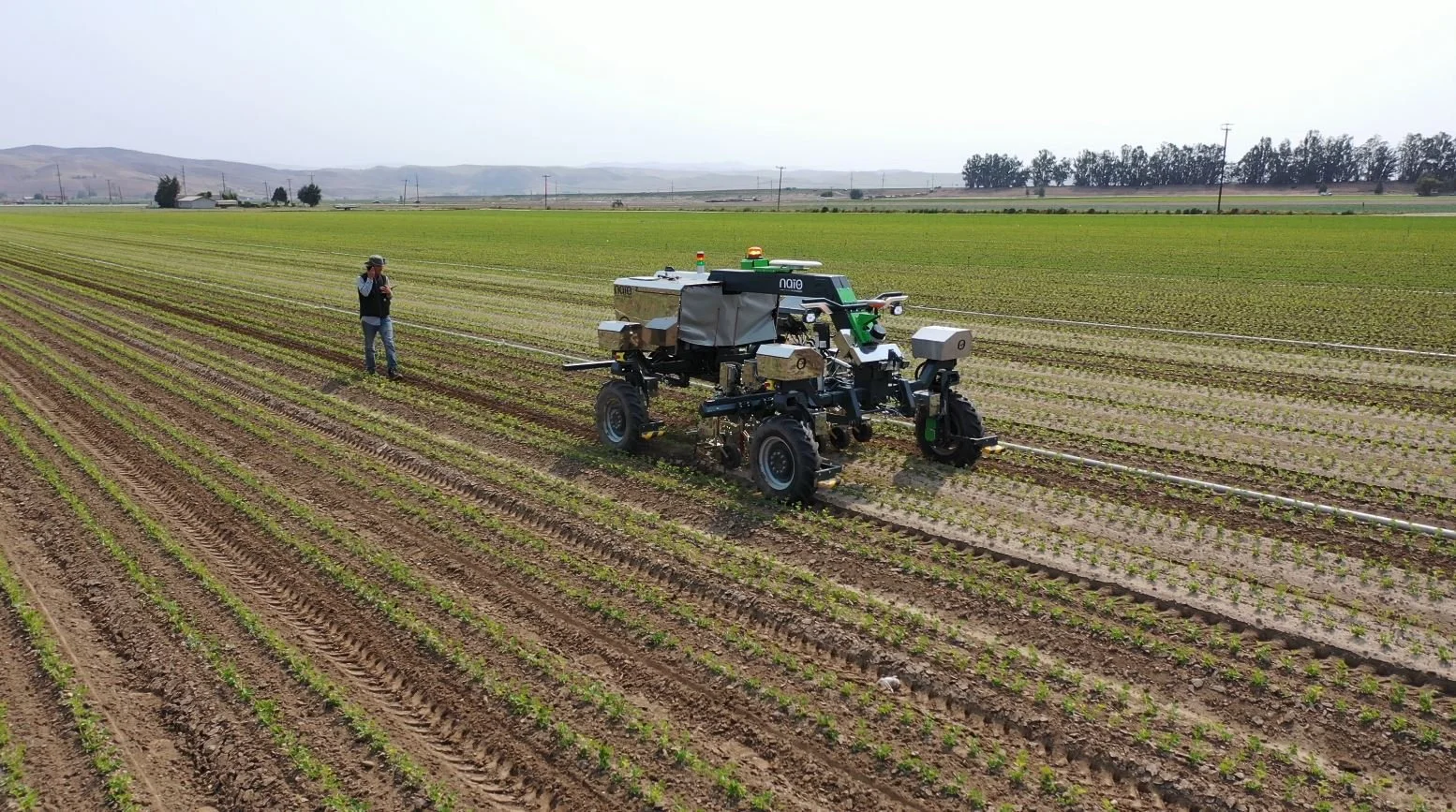
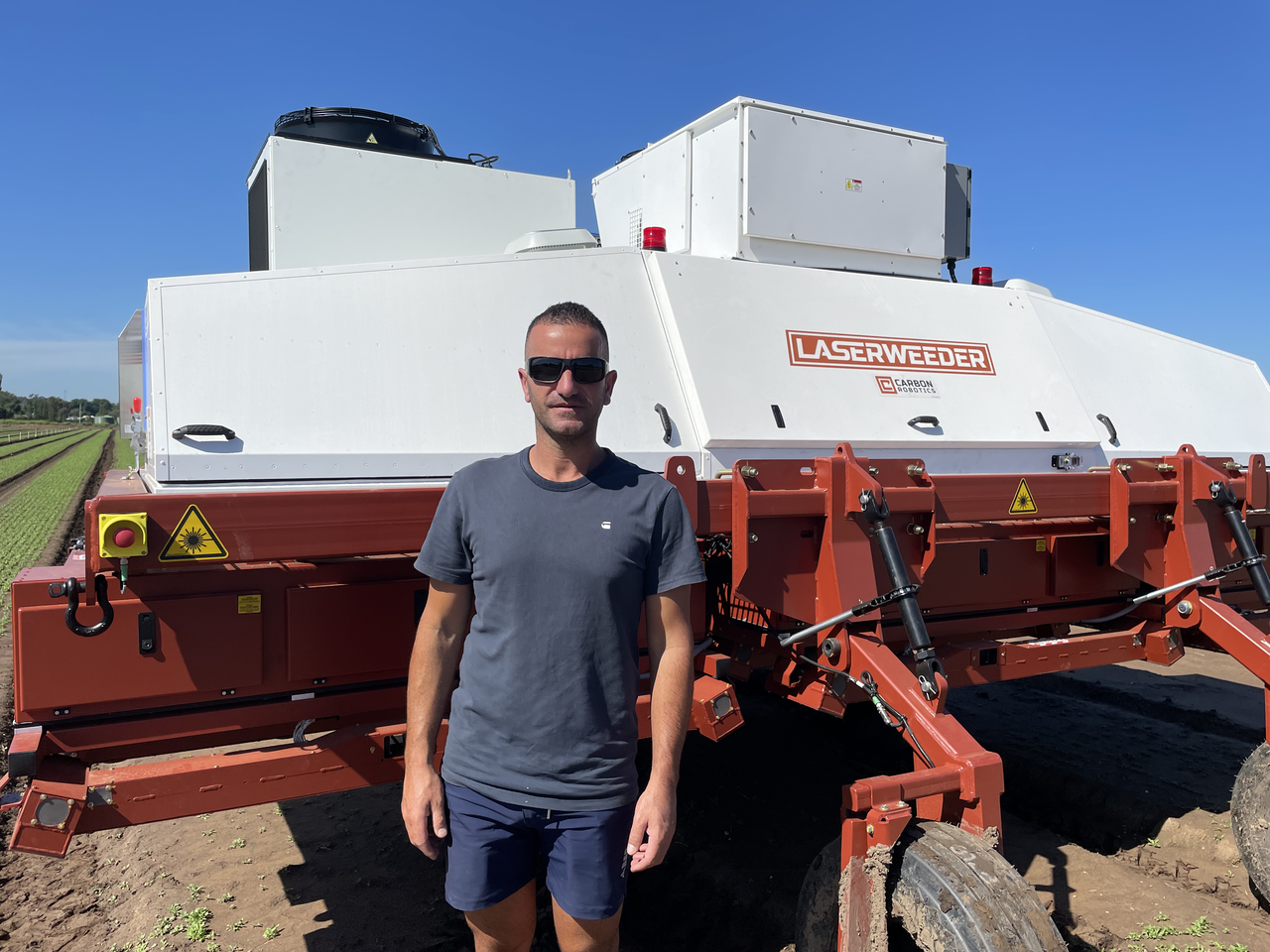
Tripod Farmers is Australia's leading salad company delivering farm fresh produce every day of the year.
“We have implemented the LaserWeeder on a New Holland tractor T7.210 with 165 horsepower. In 5 hours of use, we have weeded 5 acres and eliminated 800,000 weeds. We have been using this weeder in different types of lettuce, kale, red and green corals, bottle lettuce and it's been working very good !”
Franky from Tripod Farmers.
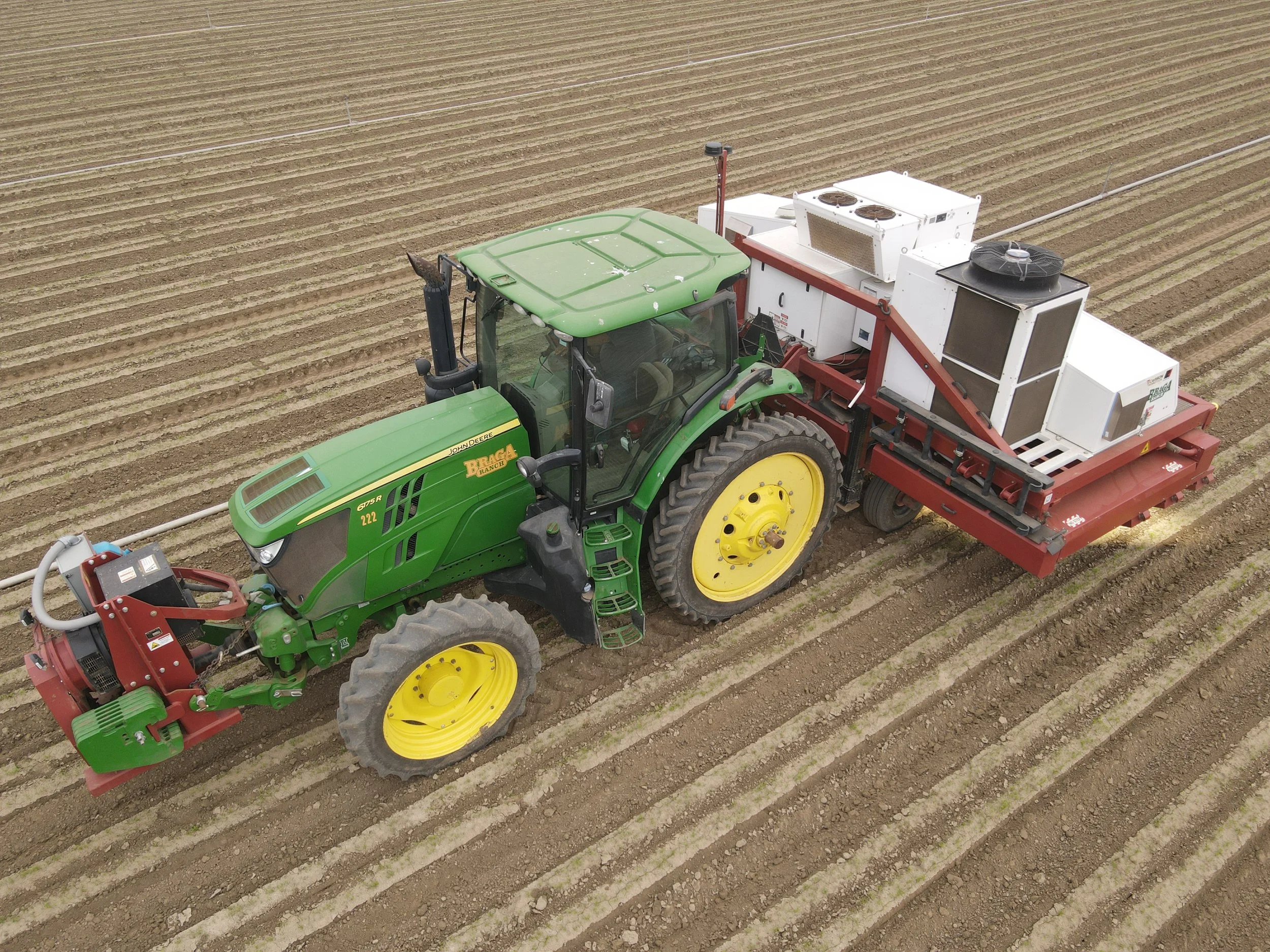
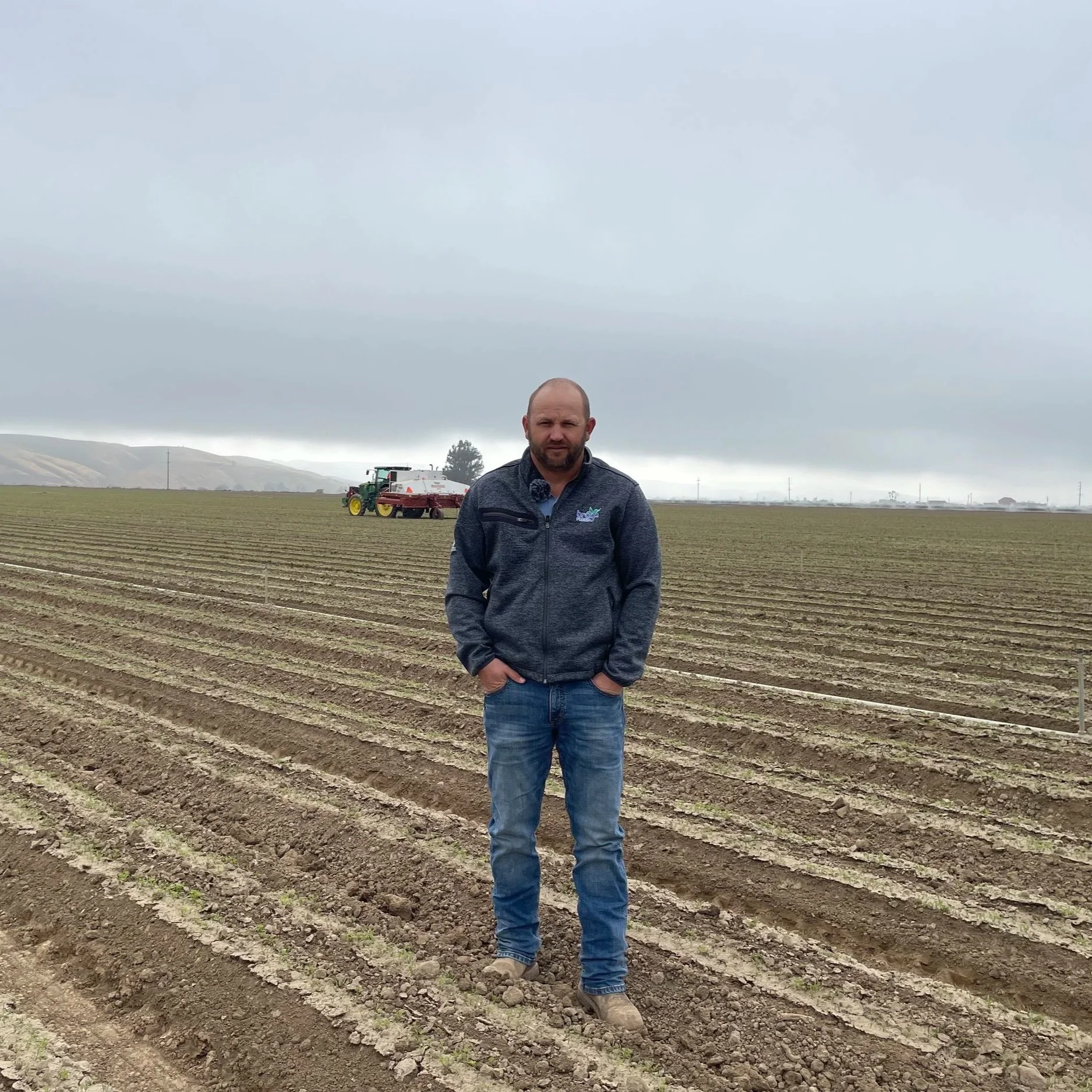
Braga Fresh is a Californian family business in the Salinas Valley, delivering a variety of organic fresh produce.
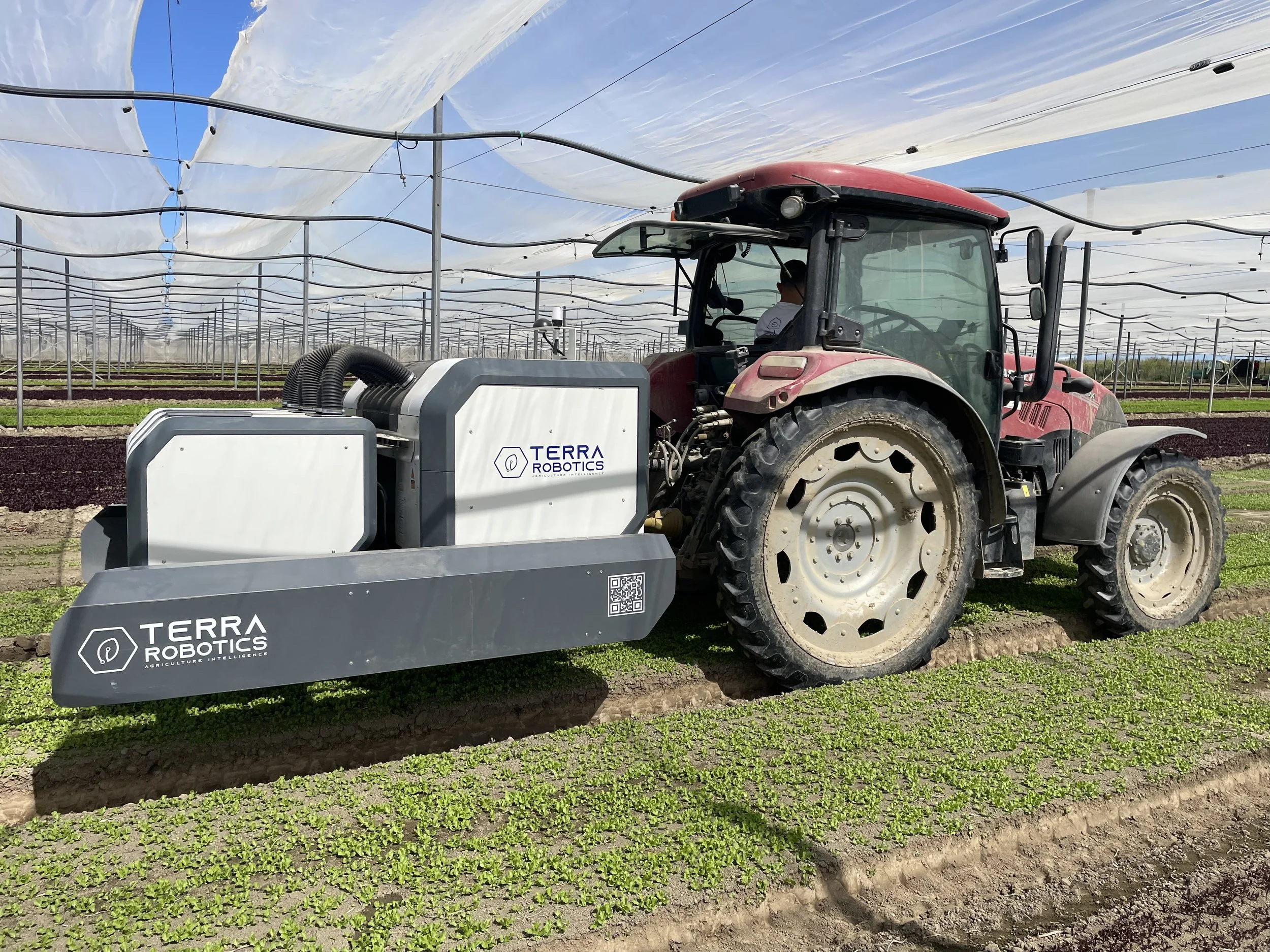
Vezyroglou Farm is Greek's leader in the high-quality leafy greens, producing 100 ha per year.
“The TerraWeeder CORE proved its value within the first month. After few weeks our operator were already used to he machine. At Vezyroglou Farm, three crops were added in one month, leading to a 50–70% reduction in weeds and, in some areas, the complete elimination of manual labor.”
Nikos Karatolos, R&D Lead, Vezyroglou Farm.
“We were among the first to invest in a Carbon Robotics V1 machine. Despite its high upfront cost, we were able to fully recoup the investment within two years by using it year-round across more than 500 hectares. Today, this technology allows us to diversify our operation: like introducing carrots, a crop that were not viable before acquiring the machine.”
Kyle’s testimony from Braga Fresh, Farming director.
Laser weeding profitability calculator :
discover if laser weeding is suitable for your farm !
Get your objective payback-period calculation for free !
Frequently Asked Questions
-
Yes, it's a major breakthrough. The laser allows us to: precisely target young weeds without damaging crops work without herbicides reduce labor.
Current limitations: slow speed (0.2 ha/h for a 2 m machine), high cost (€200,000–€600,000), still limited to market gardening (lettuce, carrots, etc.). It's a promising technology, but for now, it remains primarily accessible to high-value farms.
-
Laser weeding is used on high-density crops, primarily onions, carrots, young shoots, and aromatic herbs, but it can work on all types of crops.
Its effectiveness is greatest on young weeds, when their growth point is easily accessible.
-
The Carbon Robotics Laserweeder G2 is suitable if you are a large-scale vegetable farmer cultivating high-value crops (lettuce, carrots, onions) with significant acreage and labor costs exceeding €6,000/ha.
Advantages: extreme precision, zero herbicides, massive reduction in labor.
Limitations: slow speed (approximately 0.2 ha/h for a 2 m width), very high cost (over €500,000).
In summary: most cost-effective for specialized vegetable farms covering several hectares.
Other European solutions are under development and should make this technology more affordable for farmers. Feel free to consult my dedicated article to learn more.
3 articles sur les nouvelles technologies à lire absolument !